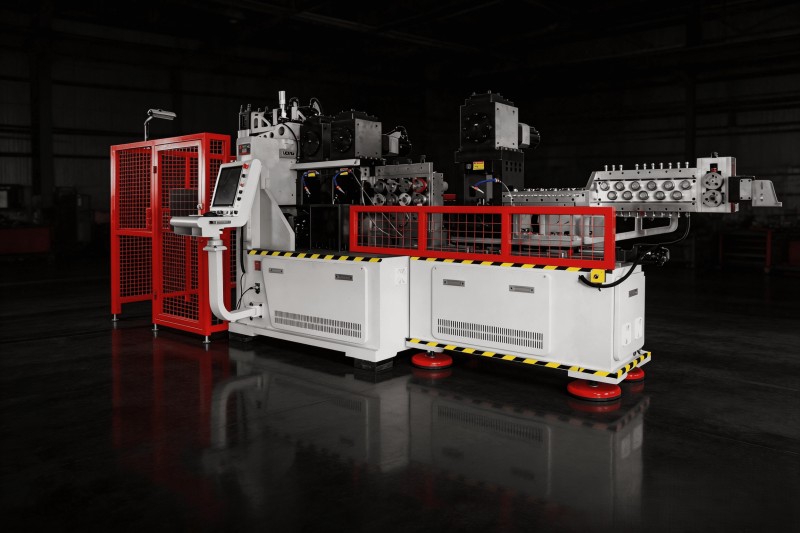


The BL-3D-6250 wire bending machine is designed for small-diameter automotive seat foam wire components. It coordinates rotary-head forming with wire feeding and cutting. For 2.5mm wire, the selection question is whether the material, part profile and required production cycle match the machine, rather than simply whether the diameter falls below a stated maximum.
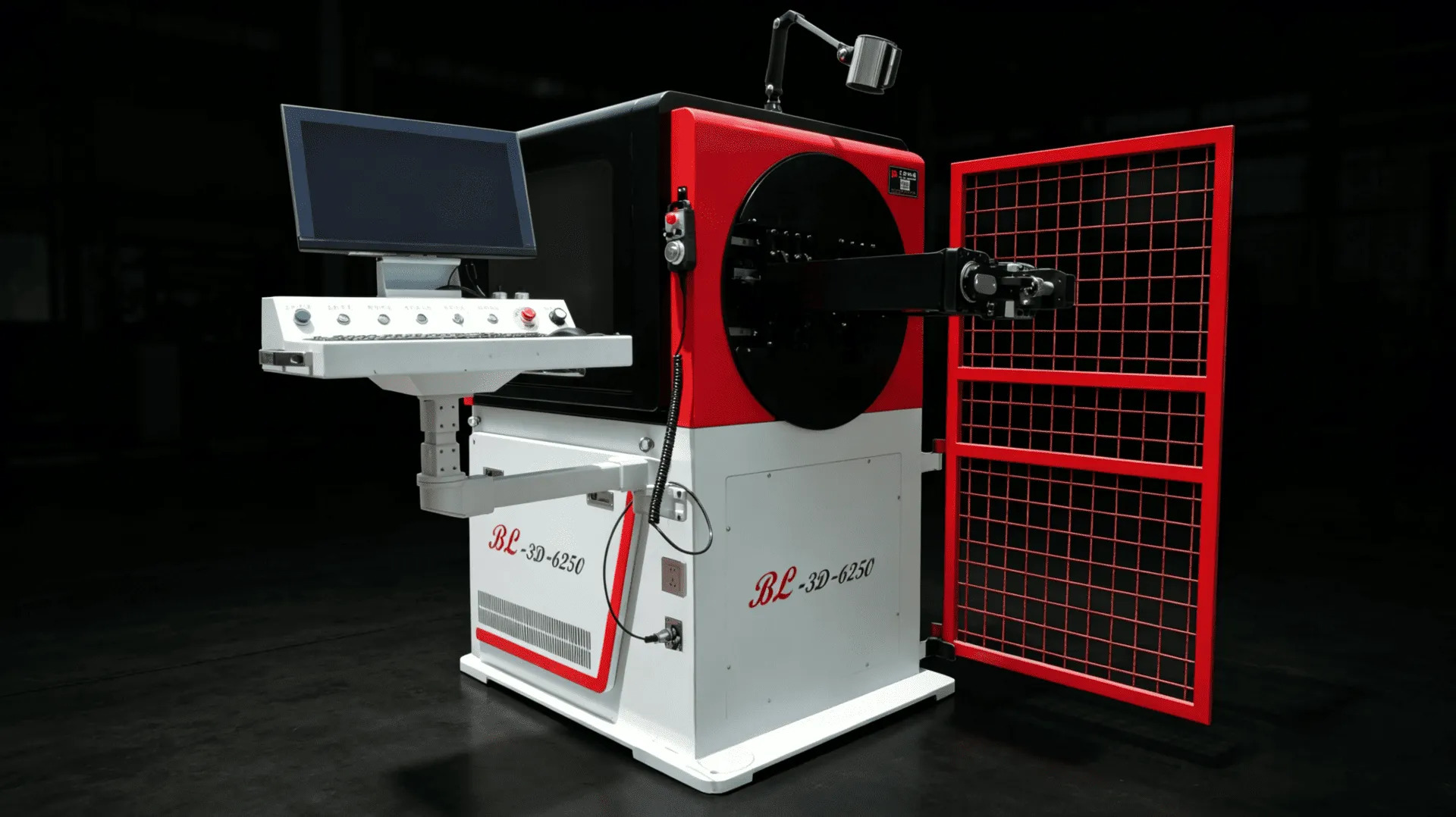
BELAN BL-3D-6250 — equipment reference.
Who Is the BL-3D-6250 Designed For?
The machine suits automotive seat component suppliers with recurring orders for foam wire parts that require multiple bends. It is also relevant to factories assessing a move from manual operations to CNC forming.
When selecting a wire bending machine, first list the parts produced regularly and their monthly volumes. Compare the time currently spent on setup, handling and forming to identify the operation that actually limits capacity.
2.5mm Wire: Check Soft and Hard Material Limits
BELAN lists a soft-wire diameter range of 1.6–3.5mm and a hard-wire range of 1.6–2.5mm. A diameter of 2.5mm is at the stated upper limit for hard wire. This does not mean that every material of that diameter can be processed.
To evaluate a 2.5mm automotive seat foam wire forming solution, provide the material grade, tensile strength, surface condition and minimum bend radius. Sample trials are needed to confirm suitability.
How Feeding, Rotary-Head Bending and Cutting Work
After straightening, the wire is advanced by the feeding mechanism according to the program. The rotary head works with the bending mechanism to create bends in different directions, and the cutting mechanism separates the finished part in the required process sequence.
This continuous process reduces transfers between separate operations. The actual cycle time still depends on feed length, the number of bends, rotary-head movements and how the finished part is removed.
Machine Structure and Workstation Planning
The BL-3D-6250 combines straightening and feeding, rotary-head bending, cutting and CNC control. These mechanisms work together to control length and angle; the speed of one motor alone does not determine processing performance.
Its compact body helps with workstation arrangement. Workshop planning must also allow space for the wire pay-off stand, wire movement, maintenance access and finished-part collection.
Forming Advantages in Practical Production
Rotary-Head Forming for Bends in Different Directions
The rotary-head structure helps organize bends in different directions and reduces reliance on repeatedly repositioning the workpiece by hand. It suits common automotive seat foam wire components.
Six-Axis Coordination for Repeated Production
This wire bending machine uses six-axis CNC control. Feeding and forming movements follow a programmed sequence, providing a consistent motion path for repeated production. After a material change, springback and first-part dimensions still need to be checked.
Assess the Complete Production Task
Compared with separate manual operations, continuous forming can reduce waiting between processes. When comparing it with a spring machine, test the complete cycle using the same drawing and material. Evaluate efficiency together with setup time and the number of acceptable parts produced.
BL-3D-6250 Specifications for Initial Selection
| Item | Published specification |
|---|---|
| Model | BL-3D-6250 |
| Soft-wire diameter | 1.6–3.5mm |
| Hard-wire diameter | 1.6–2.5mm |
| Controlled axes | 6 |
| Total power | 5.6kW |
| Machine dimensions | 1900 × 1600 × 1700mm |
| Machine weight | 1200kg |
These published specifications support initial selection and must be considered alongside the part drawing. Total power is not the same as actual continuous energy consumption, and machine body dimensions do not represent the footprint of the complete workstation.
Applications: Seat Foam Wire and Small-Diameter Parts
As automotive seat foam wire processing equipment, the BL-3D-6250 primarily forms wire components used with seat foam parts. BELAN also lists fuel-tank float rods among its foam wire and float rod applications.
For each part, check the developed length, spacing between bends and three-dimensional profile separately. Tight return hooks or crossing features require further assessment of tool access and the path for releasing the finished component.
Compare Part Requirements Before Machine Configurations
When assessing a wire bending machine for small-diameter automotive seat foam wire with bends in several directions, the BL-3D-6250 is a model to investigate first. For parts with bends confined to one plane, also compare 2D wire bending equipment.
For larger wire diameters, long rod components or parts formed at both ends, assess rotary-head machines or double-head wire bending equipment with the corresponding capabilities. Select equipment around the main order mix, rather than expanding the entire machine configuration for specifications that are rarely produced.
Customer Project: Training at Woodbridge in Brazil
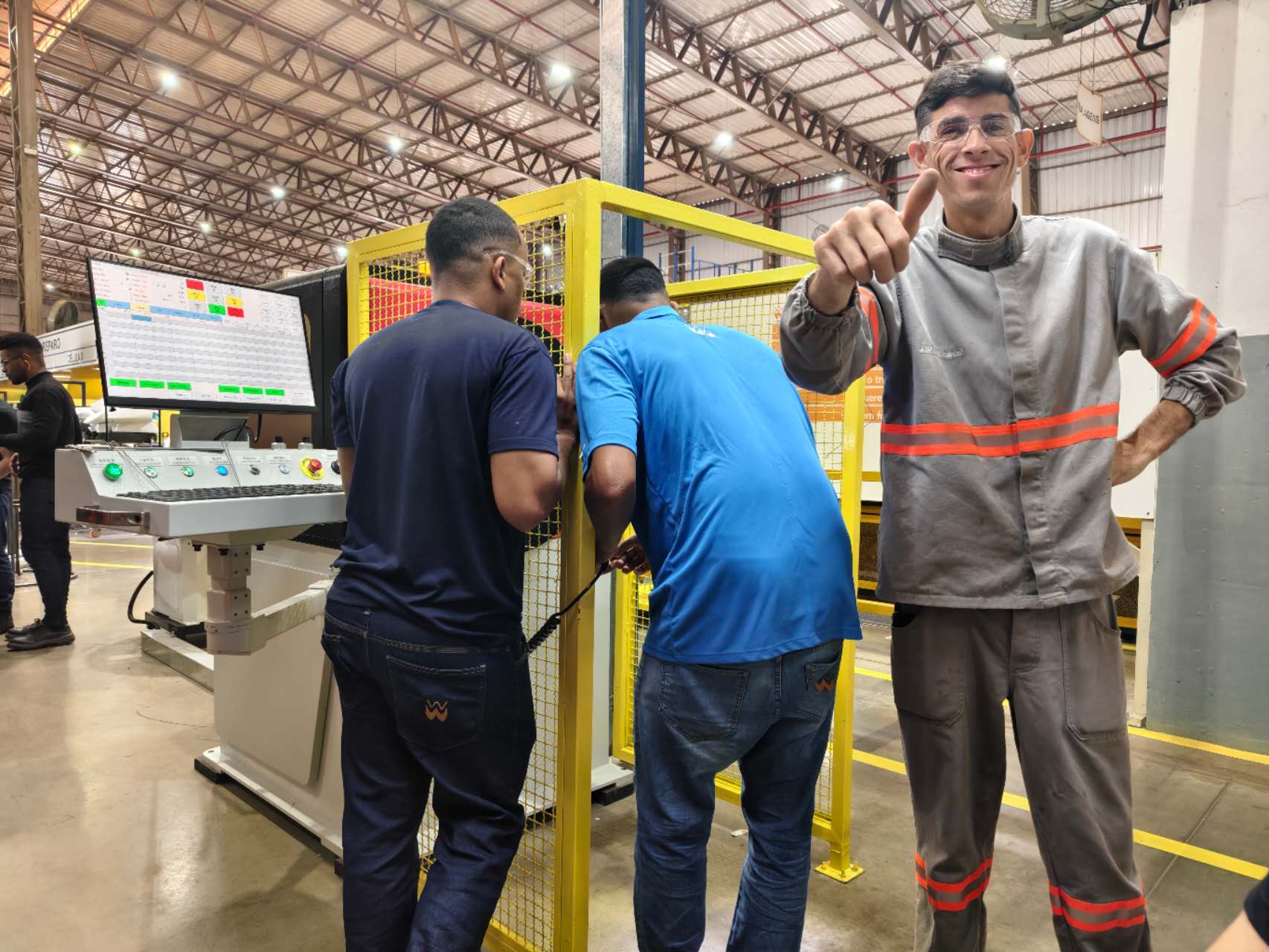
BELAN has reported a project in which technicians traveled from China to Woodbridge’s factory in Brazil to provide on-site training for the BL-3D-6250. The training focuses on the customer’s automotive seat foam wire products and connects machine operation and setup with preparations for volume production.
Training of this kind is normally planned for 7–10 days, with the schedule adjusted to learning progress. Acceptance is based on successful volume production of the products and the customer signing the training plan form. The aim is practical equipment capability after delivery.
Start with Your 2.5mm Part Drawing
To assess 2.5mm automotive seat foam wire processing, contact BELAN with your part drawings, material grade and output requirements. Discuss wire bending machine selection and sample-trial arrangements based on those details.
BELAN Machinery, your expert provider of automotive wire forming solutions.