
BELAN has organized product knowledge training and a review of the strengths and limitations of competitors' equipment, focusing on comparison questions raised during sales discussions. For a manufacturer specializing in CNC wire bending, professional communication must explain the differences between equipment proposals and the limits of their applications. Buyers comparing wire bending machines can then identify which configurations deserve further evaluation against their own parts, order mix and acceptance requirements.
Understand What the Customer Is Comparing
Why do quotations differ when machines list similar wire diameter ranges? Will adding control axes increase output? Can one machine cover both existing and future parts? These questions address different aspects of equipment capability.
Wire diameter ranges must be considered alongside material conditions. Control axes need to correspond to specific operations, while the range of products a machine can cover requires a drawing-by-drawing review. Sales staff first need to identify what the customer is comparing before explaining the relationship between price, functions and processing results.
Training Focus: Compare Proposals Objectively
Compare the Operations Each Machine Can Perform
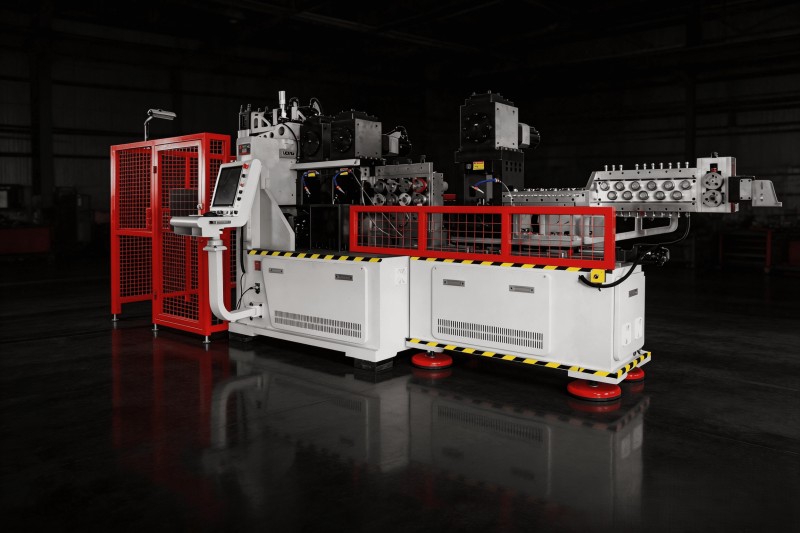
For 3D wire forming, a useful machine comparison can begin with feeding, reorientation, bending, support and cut-off. When examining different structures, consider how these operations work together and how the part must move during forming. Wire feeding speed is not the same as finished-part output: the complete cycle also includes reorientation, bending and cutting.
Reviewing BELAN equipment and competing proposals helps sales staff turn configuration names into practical questions. Which operation does a mechanism support? What processing requirement does an added function address? What supporting conditions are needed to use it?
Support Comparison Conclusions with Evidence
When discussing the strengths and limitations of CNC wire bending proposals, distinguish published specifications, observations at the machine and sample trial results. A video can show how one product is processed, but it does not validate other materials or shapes. Capacity comparisons also require a clearly defined part, the operations included and the timing method.
Prioritize Configurations Around the Order Mix
Equipment selection depends on more than the shape of a single part. It also requires consideration of the number of part types, batch quantities and changeover frequency. Production involving many product types calls for attention to setup, program management and tooling changes. Long-term repeat production of the same part requires further assessment of continuous processing and the coordination of loading and unloading.
When recommending configurations for wire bending machines, a supplier can separate the functions required for current orders from possible future extensions. Customers can then understand the purpose of each configuration item and weigh present requirements against later plans.
Find the Drawing Features That Determine Feasibility
Drawing analysis should identify how bend radii are specified, short straight sections, bending directions and end features. Similar overall dimensions do not establish that the same tooling and operation sequence will work.
For example, closely spaced bends require a check of the available tooling space. Long parts require consideration of workpiece support and motion paths. If spatial relationships are unclear in a drawing, obtain a 3D file or a sample. The assessment should distinguish features already supported by evidence from those that still require bending trials.
Match the Application and Subsequent Operations
Wire forming solutions for automotive components must account for both the part's purpose and subsequent processing. Assembly locating features and weld connection positions on seat frames may involve different requirements from the structures of steel wire parts used in automotive seat foam.
Parts requiring upsetting, flattening or punching also raise questions about operation sequence and positioning between steps. During sales discussions, confirm the processing stage at which the customer needs the finished output and which operations are already available on the existing line. These conditions influence whether to evaluate a single machine, a combination of machines or a supporting equipment package.
Give Sales and Engineering a Clear Basis for Review
Sales staff can organize customer questions into three areas: materials and drawings, production arrangements, and inspection requirements. They should also identify the differences that matter most to the customer. Technical staff can then check the processing conditions, recommend configurations and identify the items that need validation.
A CNC wire bending proposal should retain the evidence behind these judgments. If a customer changes the material or product structure, the team can check whether earlier conclusions remain applicable and avoid carrying old parameters into a new processing task.
Make the Next Purchasing Step Clearer
A clear comparison method helps customers identify what information to provide and which equipment merits a sample trial. For the supplier, clearly defined technical questions also make internal review and continued follow-up easier.
Product knowledge enables sales staff to convey purchasing priorities more accurately, helping the technical team focus evaluation time on critical issues. For items that still need validation, explaining the missing conditions and the validation process helps customers plan their purchasing schedule.
Explore a Related Equipment Reference
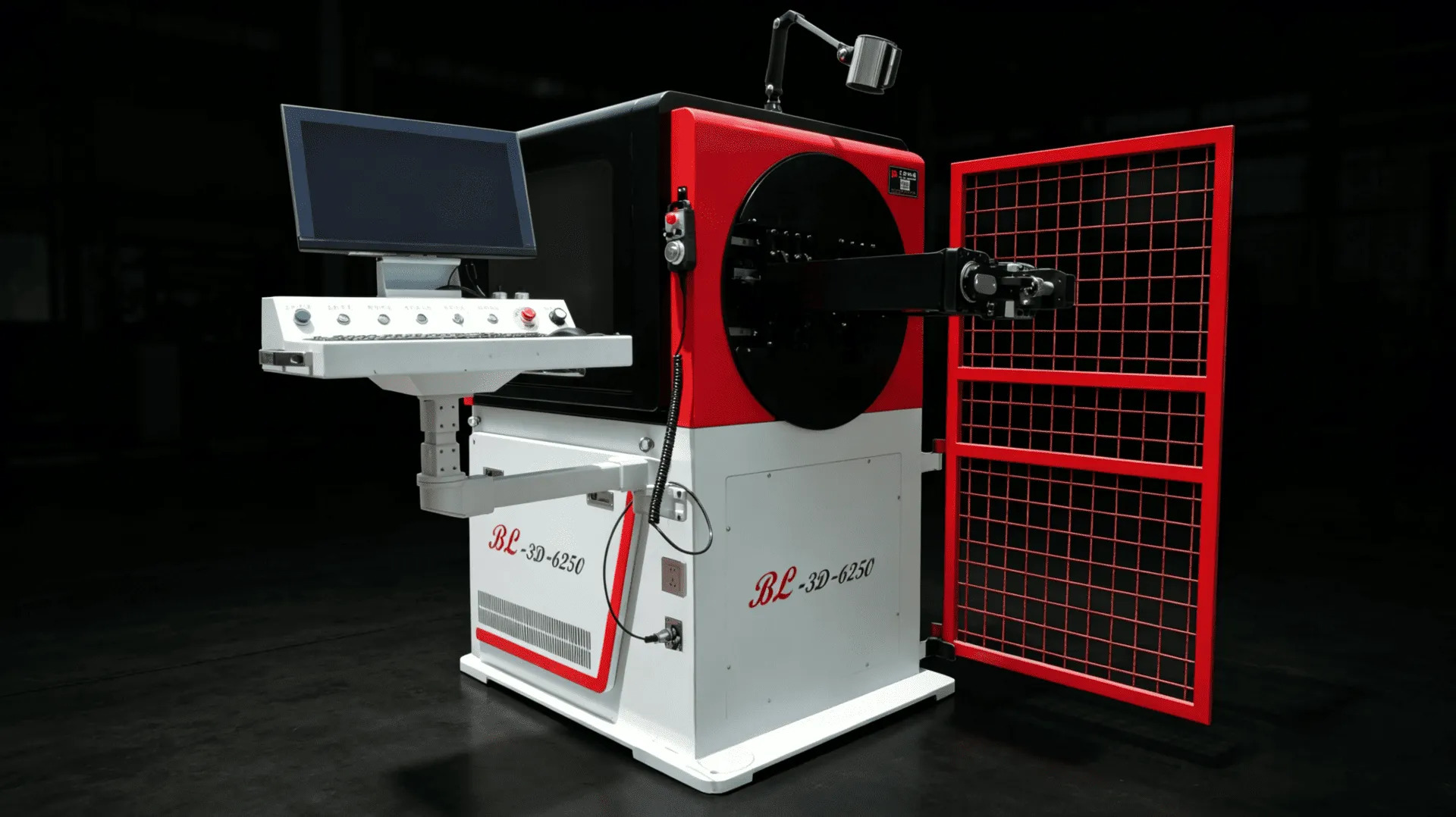
For a related product reference when reviewing wire forming equipment, explore the BELAN BL-3D-6800. Suitability for a particular part should be assessed against its material, drawing and trial requirements.
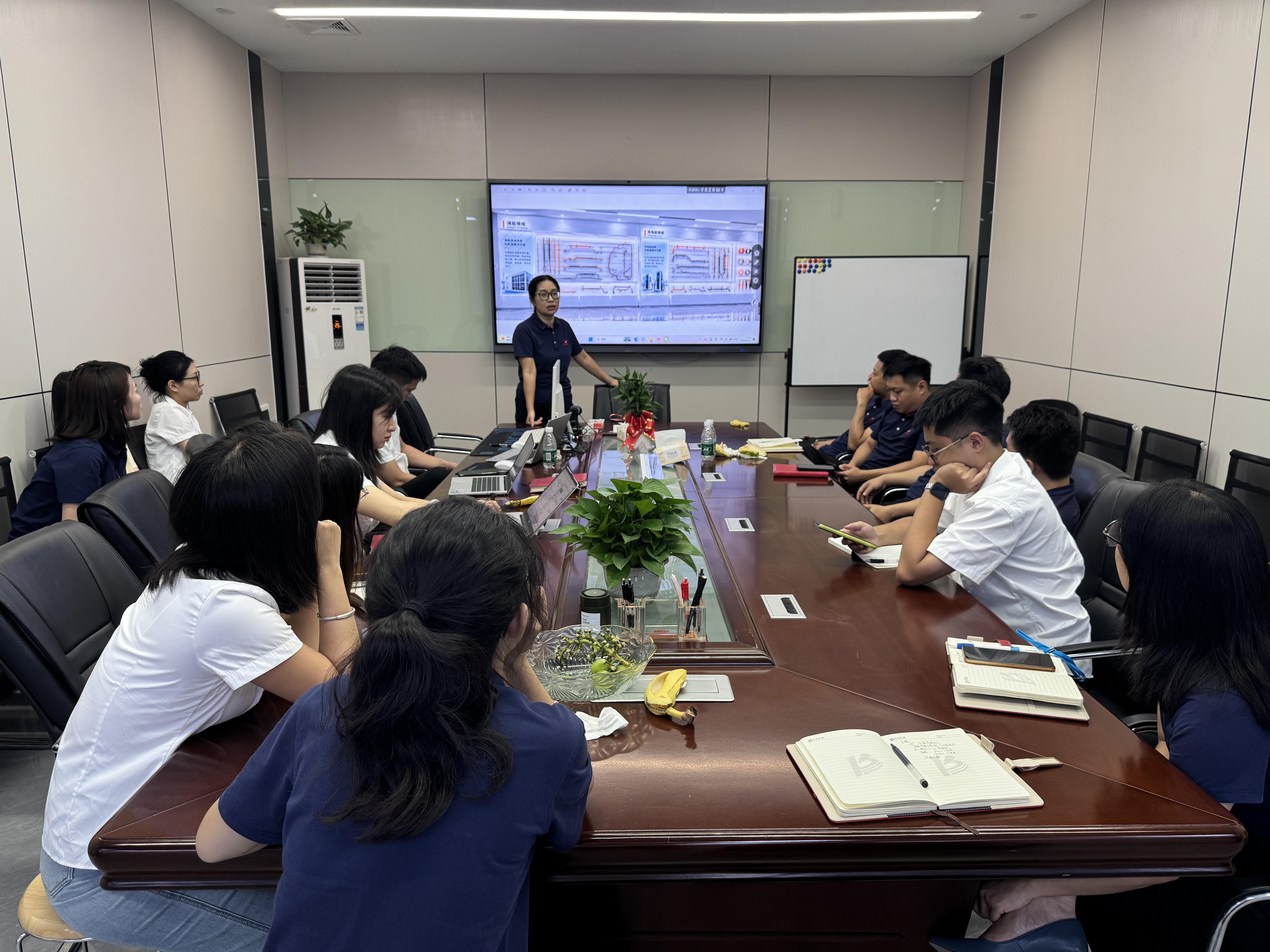
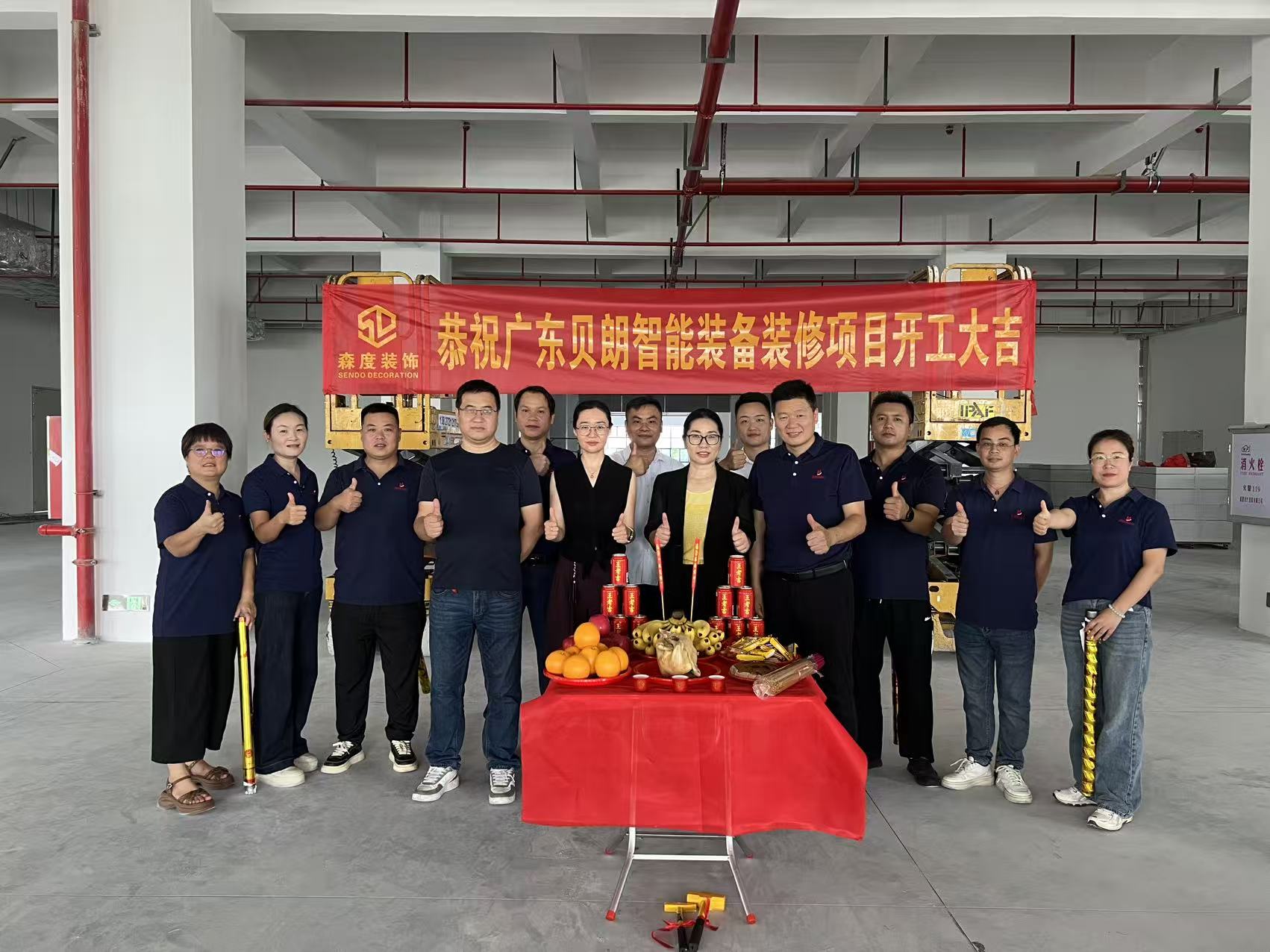
BELAN internal product knowledge training — reference photo.
Discuss Your Processing Requirements
Comparing suppliers for CNC wire bending? Contact BELAN with your part drawings, material information and planned output to discuss process suitability, configuration choices and sample trials.
BELAN Machinery, your expert provider of automotive wire forming solutions.