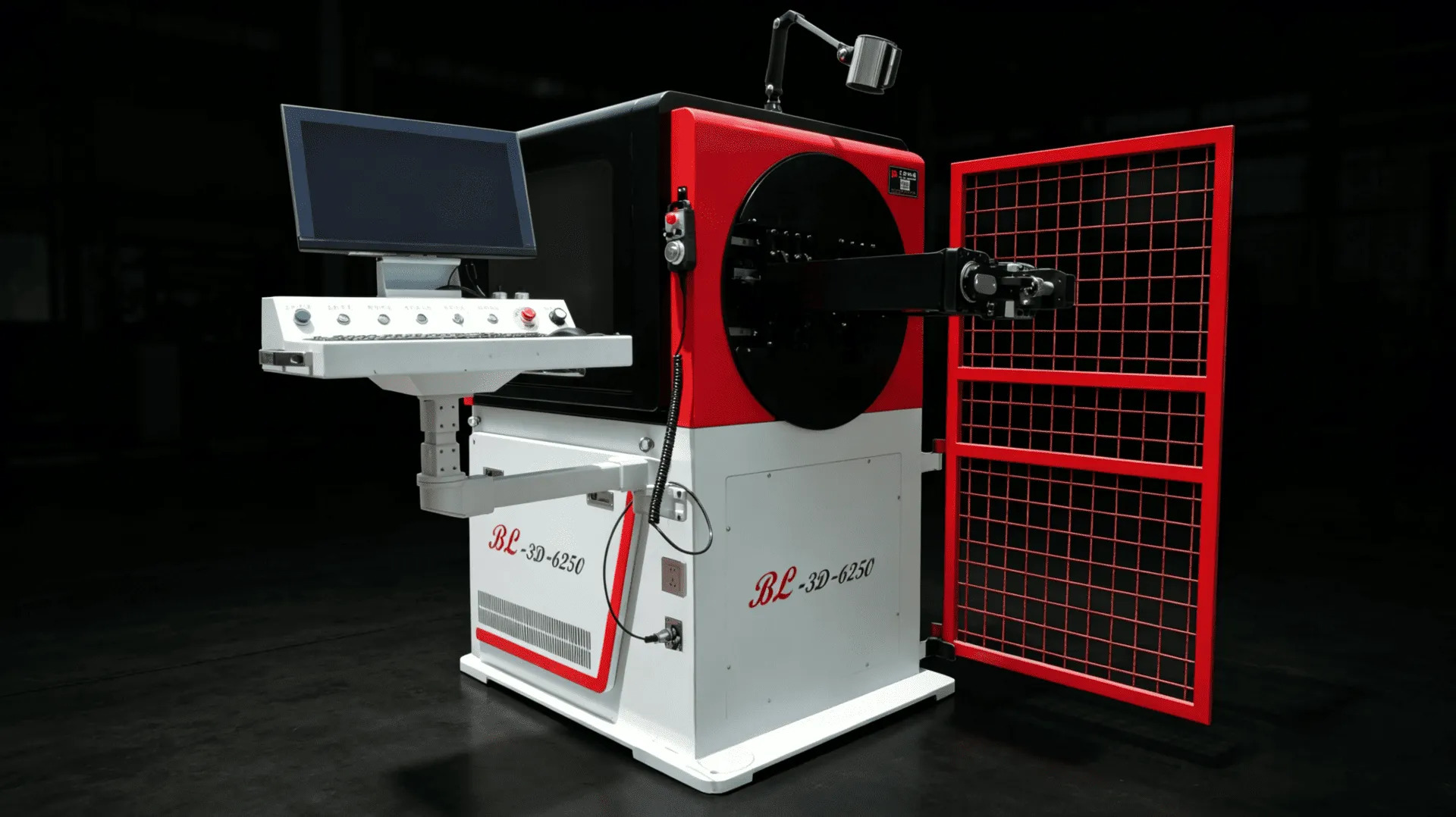

Automotive seat wire components must reproduce the same bend profiles while meeting the processing requirements of different products. When choosing seat wire forming equipment, factories need to consider both the machine structure and how their operators will learn setup and adjustment methods. BELAN developed the BL-3D-6250 for this type of component. For the Woodbridge Brazil training visit, a technician has traveled from China to the customer's factory, bringing equipment application and practical learning together.
Why Continuous Forming Matters for Automotive Wire Parts
When feeding, bending and cutting take place as separate operations, workpieces must be placed or positioned again between steps. In batch production, these supporting tasks take time and add process handovers that need to be managed.
With automated processing, production staff can focus more attention on program confirmation, sample inspection and machine condition. Consistent output depends on the coordination of processing operations, material conditions and operating methods.
The value of automated bending for automotive seat foam wire—the steel wire components used in automotive seat foam—should therefore be assessed across the complete process. Material feeding, formation of the bent profile and cut-off must all work together around the same part.
Connect Rotary-Head Bending with Feeding and Cutting
Organize Continuous Operations for Repeated Parts
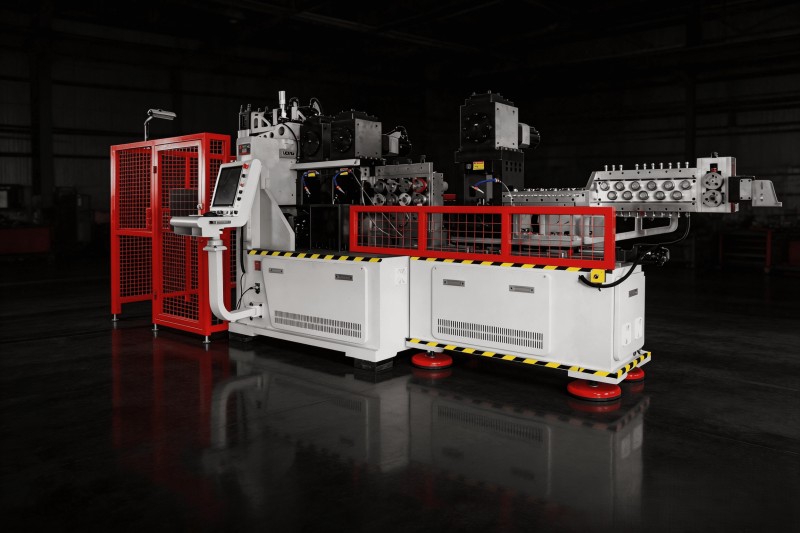
The BL-3D-6250 combines a rotary-head bending structure with automatic feeding and cutting to process steel wire components. Bringing these operations together helps reduce the need to transfer partly finished workpieces between separate machines and establishes a continuous process for repeated parts.
When evaluating seat wire forming equipment, choose representative products that cover the main bending features. Parts with different straight-section lengths, bending directions or local shapes may require different forming sequences and tooling arrangements.
Confirm Processing Performance with Actual Samples
Continuous operations can reduce the handling between process steps, but this alone does not establish the output of a particular product. Part geometry, material and inspection requirements all affect production planning.
A more useful approach is to make trial parts using the customer's material and drawings, record the finished condition and processing settings, and then discuss target capacity. This connects the equipment evaluation with specific purchasing requirements.
Program Control and a Compact Workshop Layout
Keep Product Programs for Repeat Orders
The BL-3D-6250 uses CNC and servo control to coordinate its processing operations and supports product program management. Confirmed programs provide a basis for subsequent production preparation, making the settings for different products easier to distinguish and manage.
Stored programs must be managed together with the material, tooling and product revision. Before recalling a program for production, confirm the current conditions and inspect the first piece. Settings for an earlier revision or a different material should not be applied without checking.
Plan a Concentrated Forming Cell
The model's compact structure helps factories organize a concentrated processing area. Plan the space around the material rack position, operating direction and finished-part collection to reduce unnecessary movement.
When purchasing automotive seat wire processing equipment, check loading, maintenance and material flow space as well as the main machine dimensions. A practical layout affects how daily material changes, inspections and servicing are organized.
Evaluate Suitability for Each Product
The BL-3D-6250 is primarily intended for automotive seat foam wire components. Depending on product requirements, other steel wire parts, such as fuel tank float rods, may also be evaluated. Different applications have different bend profiles and dimensional requirements, so the material, tooling and forming sequence must be confirmed separately.
If one seat wire forming machine is expected to cover several parts, provide the material specifications, drawings, critical tolerances and product mix together. Use sample trials to establish which tooling needs to change, which programs can be retained and what checks are needed after a product changeover.
A clearly defined application scope helps a factory plan orders and future product development. The value of equipment selection lies in matching the machine to the actual product mix, rather than simply seeking more functions or a wider processing range.
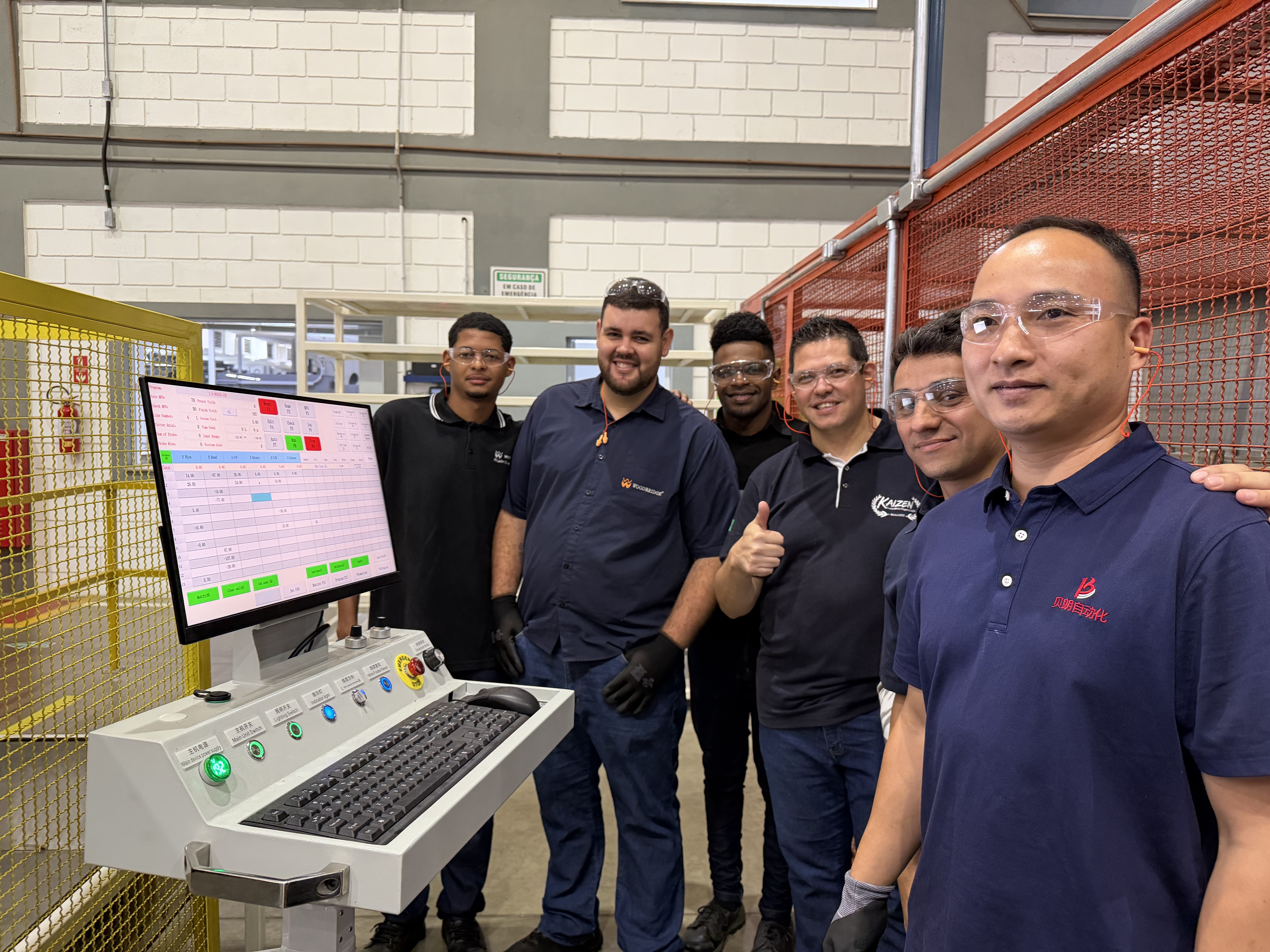
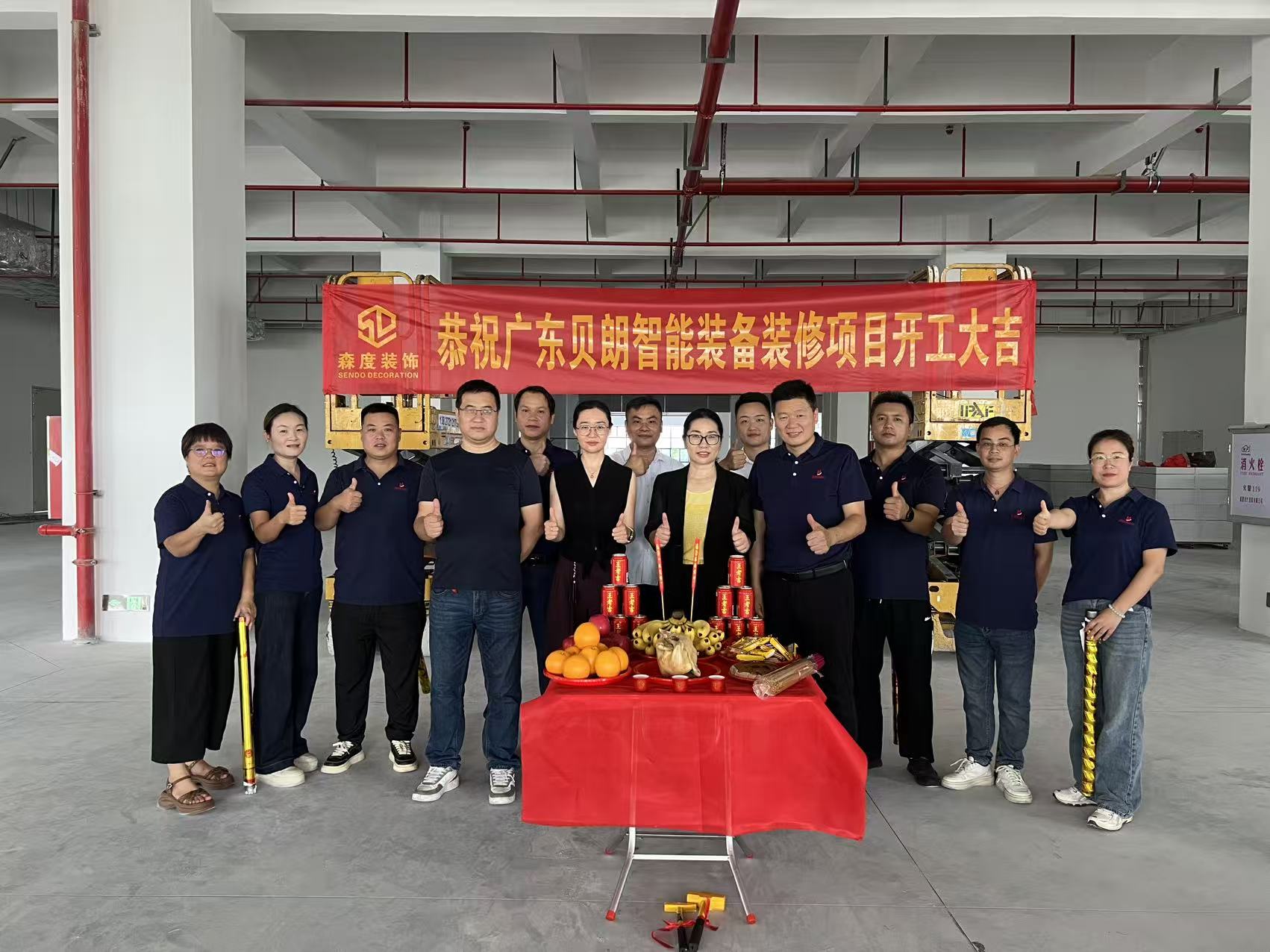
Woodbridge Brazil factory training — customer-provided reference photo.
Training at Woodbridge Brazil Connects Equipment with Operator Skills
A Technician Travels from China to the Customer's Factory
This service visit is for the Woodbridge factory in Brazil. The training machine is the BL-3D-6250, intended primarily for automotive seat foam wire parts. At the customer's site, the technician can discuss operating and setup questions directly and connect program instructions with actual samples.
On-site service gives the customer's team a practical setting in which to understand the equipment. For adjustments after product changes, finished-part inspection and routine maintenance, operators need to understand the purpose of each task as well as the steps involved.
Connect the Training Plan with Production Acceptance Criteria
BELAN normally schedules 7–10 days for this type of training, with the duration adjusted according to how well the customer's team has learned the operation. The acceptance criteria are successful volume production of the parts and the customer signing the training plan, aligning the training objectives with actual production requirements.
For a factory preparing to introduce equipment, initial selection, sample trials and operator training should be considered together. Providing drawings and production requirements in advance helps define the configuration and plan training around the tasks operators will perform on site.
Discuss Your Wire Parts and Training Requirements
Contact BELAN with your drawings, wire diameter and target output to discuss seat wire forming equipment configuration and a suitable training plan.
BELAN Machinery, your expert provider of automotive wire forming solutions.