
Wire Bending Machine Buyer’s Guide
Evaluate the company before you compare the machine. A wire bending or wire forming machine is a ten-to-fifteen-year relationship with the builder, and that relationship decides whether a capital purchase pays off or becomes a decade of downtime.
Direct answer: The right manufacturer is judged across five areas — production base, engineering depth, quality control, certification, and after-sales — not by the highest specification sheet. Run a structured factory audit, ask for evidence instead of promises, and let engineering answers, not the lowest headline price, decide the order.
Start With the Production Base, Not the Brochure
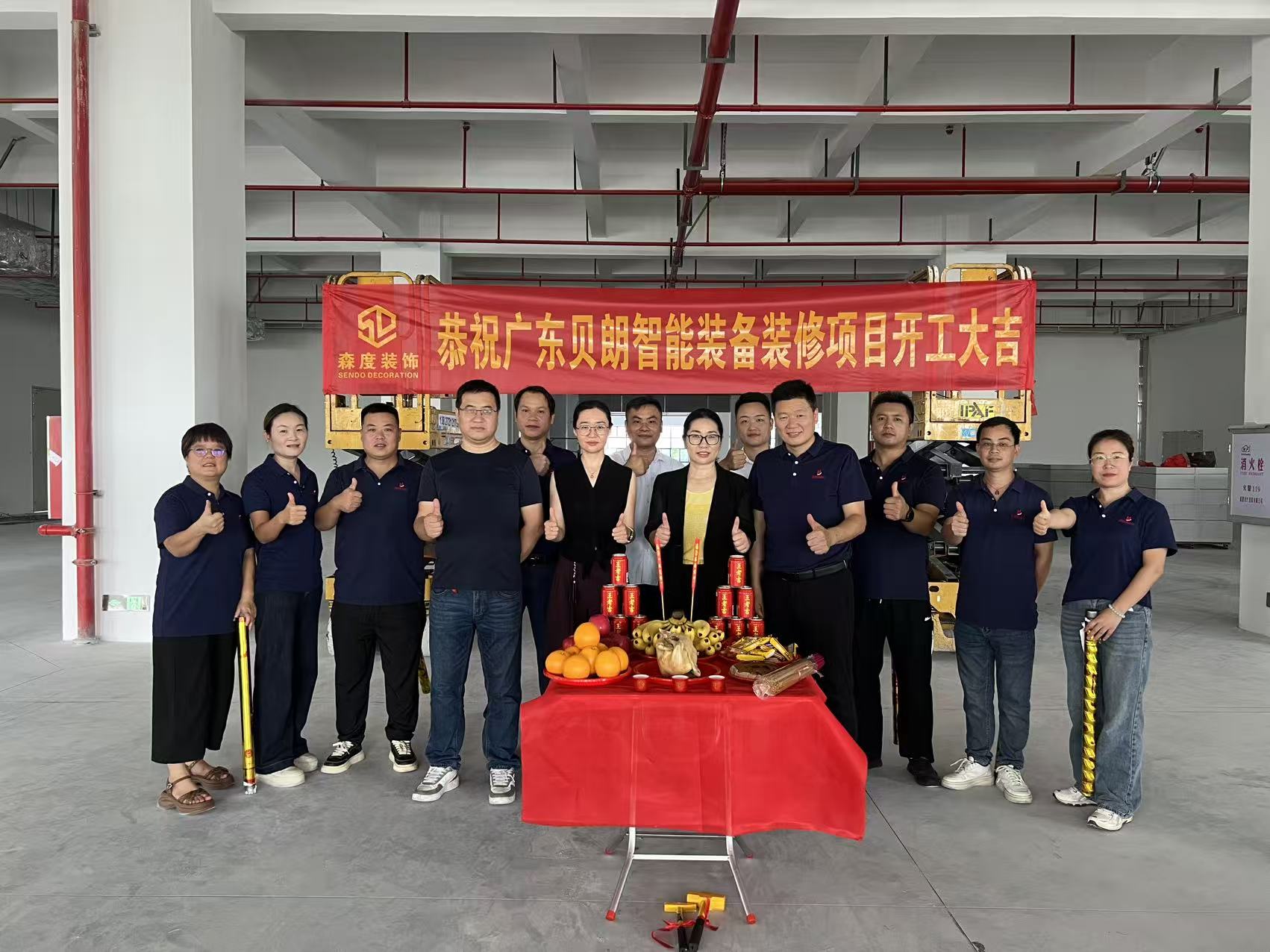
A credible wire bending machine manufacturer runs its own assembly floor, not a rented booth. Ask for the actual factory address, the building area, and the annual output in units. As a benchmark, a dedicated wire forming facility of roughly 6,000 square meters with an annual capacity above 500 units and more than ten years in operation signals a company that has absorbed the routine failures of this equipment and engineered them out. Export experience to twenty or more countries is another useful filter — it means the supplier has already handled the documentation, voltage, and compliance differences that will otherwise surprise you.
Do not accept a showroom photo as proof. Request a live video walkthrough of the assembly line, or a recent third-party inspection report. You are looking for evidence of in-house machining, a stock of components, and a finished-machine staging area — not a desk with a catalog.

| Dimension | Manufacturer | Trading company |
|---|---|---|
| Factory & assembly | Owns the floor, machining, and a finished-machine staging area. | Rents a booth or shares an office; production sits with a maker it may not control. |
| Engineering | A dedicated team owns structural design, tooling, and control software. | Forwards your drawing to a subcontractor and quotes a standard unit. |
| Spare parts | Stocks wear items and states lead times in writing. | Sources parts ad hoc; lead times are often unclear. |
| Accountability | Warranty and post-warranty support are backed by the maker. | Adds a margin and a layer of distance from real support. |
| Price transparency | Quotes the build, so you see what you pay for. | May hide the underlying maker’s margin inside the total. |
Engineering and R&D: Can They Actually Solve Your Part?
Most buying mistakes happen because the part is harder than the sample. A real manufacturer keeps a dedicated engineering team that owns structural design, forming technology, and the control software — not just a sales desk that forwards your drawing to a subcontractor. The test is simple: send them your actual part with the tricky tolerances and ask how they would hold them. A competent team will discuss tooling strategy, springback compensation, and feed geometry. A reseller will quote a standard machine and hope it works.
Tooling strategy
A strong team explains which dies, guides, and bending sequence your material needs — and why — rather than quoting a catalog head.
Springback control
They should describe how the machine compensates for elastic recovery in steel, stainless, copper, or aluminum — the variable that quietly ruins tolerances.
Integration depth
Non-standard fixtures, secondary operations, and line integration are where engineering depth shows — patents and reference installations are the evidence.
Quality Control: From Incoming Material to Run-In Test
A wire bending machine earns its keep through repeatability, and repeatability is manufactured, not claimed. Look for a documented quality system — ISO 9001 certification is the baseline, and you should see the certificate, not just the logo. Beyond the certificate, ask what happens between parts arrival and shipment: incoming inspection, in-process checks on critical dimensions, and a load-bearing run-in test before the machine leaves the floor. A supplier that runs each machine through tens of thousands of cycles under load before delivery is protecting you from the infant-mortality failures that otherwise surface in your first production week.
Audit the Company First, Specs Second
Do not begin by arguing over axis count and cycle time. Start by confirming the builder can actually deliver a stable machine and support it for a decade. The specification sheet describes the product; the factory audit describes the partner.
Certifications: CE for Europe, and Beyond
For any machine bound for the European market, CE marking is not optional, and the declaration must cover your actual machine model and scope — not a generic family certificate. Ask for the EU declaration of conformity and the notified-body file. For other regions, confirm the electrical and safety standards that apply to your destination and verify the supplier can document compliance. Treating certification as a formality is how buyers end up with a machine that clears customs but fails a workplace inspection. The reasoning behind CE for this equipment is covered in detail in our guide on why CE certification matters for the European market.
After-Sales and Spare Parts: The Part That Outlasts the Warranty
The warranty is twelve months; the relationship is a decade. Evaluate the after-sales structure before you need it. A real manufacturer provides both remote diagnosis and on-site service, keeps a spare-parts inventory, and states a response time. Ask for the spare-parts list and lead time for the items most likely to wear — feed wheels, cutters, guides, and servo components. Confirm whether the control software can be updated remotely and whether your team can be trained on your floor. These are the details that decide whether a breakdown costs you a shift or a season. Our overseas after-sales framework explains the support model buyers should expect.
The Factory Audit Checklist
Use the list below during your evaluation. Tick each item only when you have evidence, not a promise.
- ☐ Supplier owns a physical factory address you can verify, not a shared office.
- ☐ Building area and annual unit capacity are stated with supporting documents.
- ☐ Operating history of at least ten years in wire forming equipment.
- ☐ Export record to your region, with reference customers you can contact.
- ☐ Dedicated R&D and engineering team, not only a sales function.
- ☐ They solved a part similar to yours and can show the approach.
- ☐ ISO 9001 certificate is current and verifiable.
- ☐ In-process and final inspection records are available on request.
- ☐ Each machine passes a load-bearing run-in test before shipment.
- ☐ CE (or relevant regional) declaration covers your exact model and scope.
- ☐ Spare-parts list and lead times are provided in writing.
- ☐ Both remote and on-site service are offered, with a stated response time.
- ☐ Operator training at your site is part of the handover.
- ☐ Control software can be updated remotely and is backed by the maker.
- ☐ Live video walkthrough of the assembly floor is granted on request.
- ☐ Payment terms are linked to inspection and acceptance milestones.
- ☐ Warranty and post-warranty pricing are written into the contract.
- ☐ They answer technical questions with engineering detail, not slogans.
Red Flags That Should Stop the Deal
Some signals are worth more than a low price. Walk away or pause when you see the patterns below — each one tells you what is really behind the quote.
| Signal | What it usually means | Safer action |
|---|---|---|
| No factory video after repeated requests | Possible trading company or no real floor. | Require a live walkthrough or a third-party inspection. |
| No reference customer will take your call | Few or no real installations. | Ask for three verifiable references in your region. |
| Technical questions met with slogans | No engineering depth behind the sale. | Send your actual part and judge the answer. |
| Customization dismissed as unnecessary | They sell standard machines only. | Push for a feasibility study on your part. |
| Vague spare-parts list or lead times | Support may not exist post-sale. | Demand written prices and lead times. |
| Only a CE logo, no declaration | Compliance may not cover your model. | Request the EU declaration and notified-body file. |
| Pressure to pay in full pre-inspection | You lose leverage before acceptance. | Link payment to inspection milestones. |
How to Verify Without Flying There
You do not need a plane ticket to run most of this audit. A scheduled live video walkthrough of the assembly floor, a third-party inspection by a firm such as SGS or TÜV at the supplier’s site, and a paid sample run using your own material and drawing will reveal more than any catalog. Ask to speak with one or two existing customers in your region, and run a basic credit and company-registry check on the legal entity. For the shipment stage specifically, our pre-shipment inspection checklist covers what to confirm before the machine leaves the factory.
See the assembly floor, machining, and staging in real time.
SGS or TÜV at the site verifies what you cannot see.
Run your material and drawing, not a demo part.
Speak with existing customers in your region.
Buyer Decision Framework
A factory audit is not a hurdle to clear; it is the cheapest insurance you will buy on a capital machine. Work through these steps in order:
- Define the part, not the machine. Wire diameter, material, tolerances, and target volume come before axis count.
- Shortlist by company, not brochure. Verify factory, years in operation, and export record to your region.
- Test engineering depth. Send the drawing and judge the method, not the promise.
- Confirm quality and certification evidence. ISO 9001, the CE declaration for your model, and run-in records.
- Lock down after-sales. Spare parts, response time, training, and remote software updates in writing.
- Run a paid sample, then compare total value. Let the engineering answers, not the lowest headline price, decide.
What a Real Machine Build Looks Like
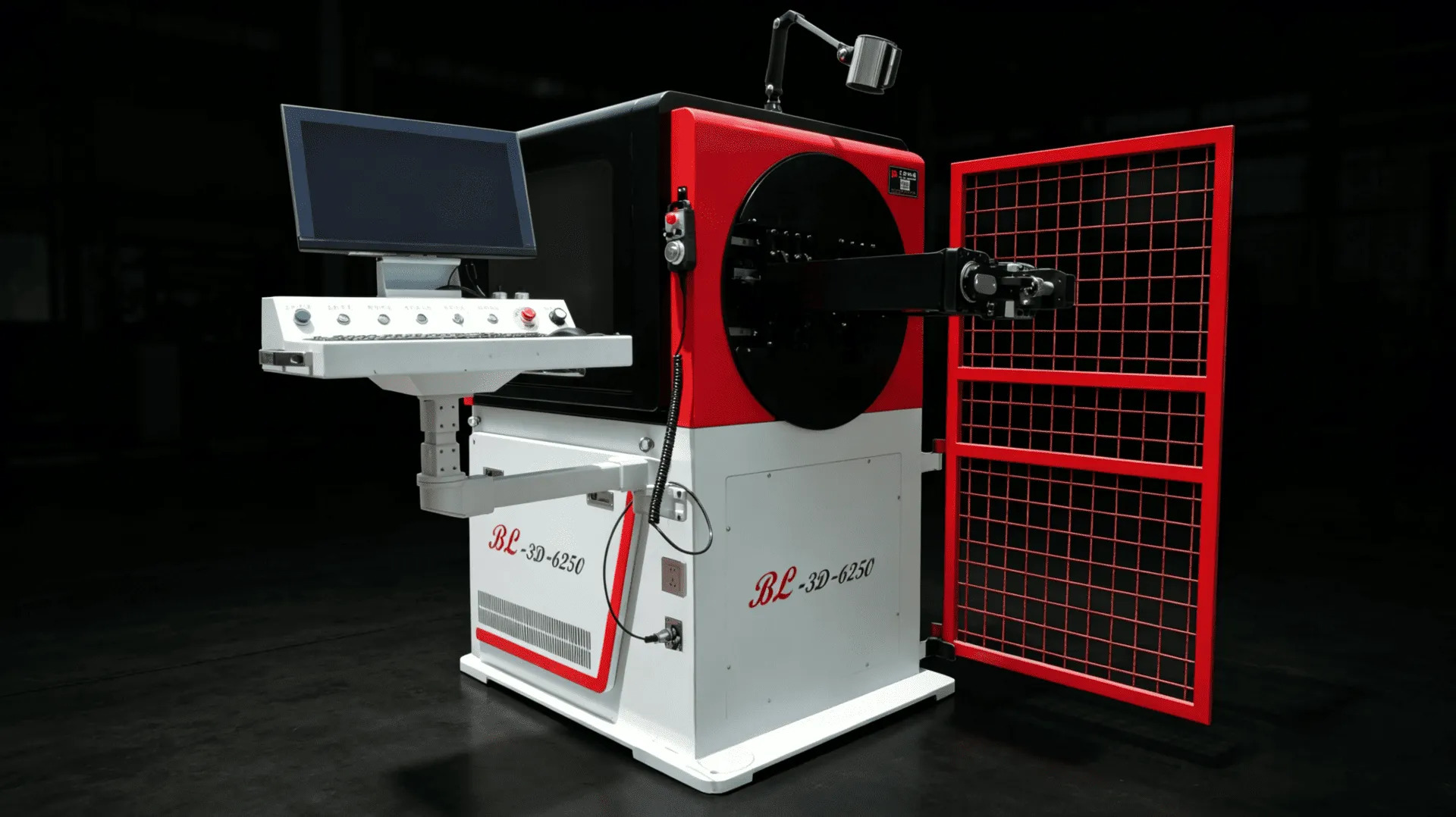
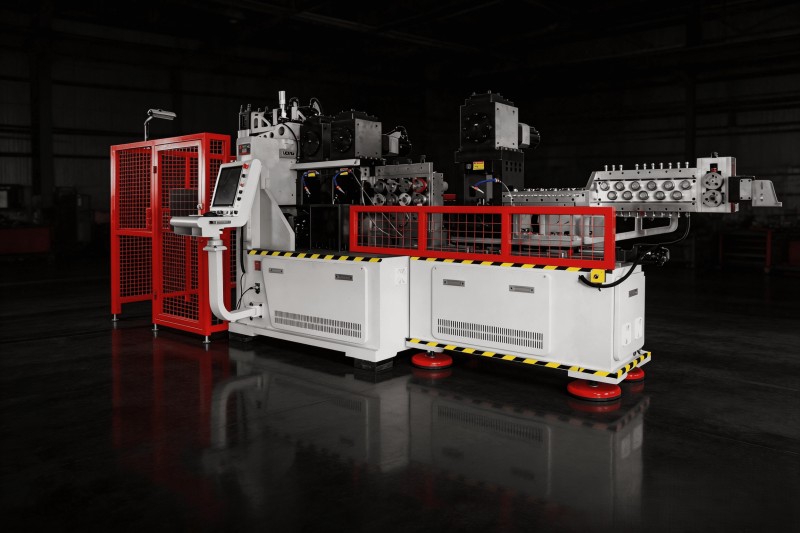
When you do get eyes on the equipment, certain build signs separate a manufacturer from an assembler. Look for cable management that will survive thousands of cycles, servo and drive components from named suppliers, a rigid frame with proper stress relief, and tooling that is engineered for your material rather than borrowed from a sample. A multi-axis machine with a rotary head, for example, should demonstrate consistent accuracy on 3D geometry — not just on a flat demonstration part. The photo below shows a real multi-axis wire forming machine built for production, the kind of unit whose build quality you should inspect closely.

Frequently Asked Questions
How many years should a wire bending machine manufacturer have?
Ten years or more in wire forming equipment is a reasonable floor. Longevity matters because the failure modes of this machinery are learned through volume, and a supplier that has shipped hundreds of units has already engineered out the problems a newcomer will hand to you.
Is CE certification mandatory for importing to Europe?
For machinery placed on the European market, CE marking is required, and the declaration must cover your specific model and scope. A generic family certificate is not enough. Verify the notified-body file and the exact machine configuration before you ship.
What spare parts should a supplier guarantee?
At minimum, request the wear items: feed wheels, cutters, bending and straightening guides, and the common servo and sensor components. Ask for unit prices and lead times in writing so a future breakdown is a purchase order, not a negotiation.
Can I audit a Chinese manufacturer without visiting?
Yes. A live video walkthrough of the assembly floor, a third-party inspection at the factory, a paid sample run on your material, and reference calls with existing customers will cover most of the audit. Reserve an on-site visit for the final shortlist.
What is the difference between a manufacturer and a trading company?
A manufacturer owns the engineering, the assembly floor, and the after-sales responsibility. A trading company sources from a maker it may not control and adds a margin and a layer of distance from support. The audit above — factory verification, engineering answers, and spare-parts accountability — is designed to tell them apart.
Send Us Your Part Drawing for a Feasibility Assessment
BELAN Machinery, a professional provider of automotive wire forming solutions. Share your wire diameter, material, tolerances, and target volume, and our engineering team will assess the right machine architecture and return a concrete build and cost picture before you commit to a quote.