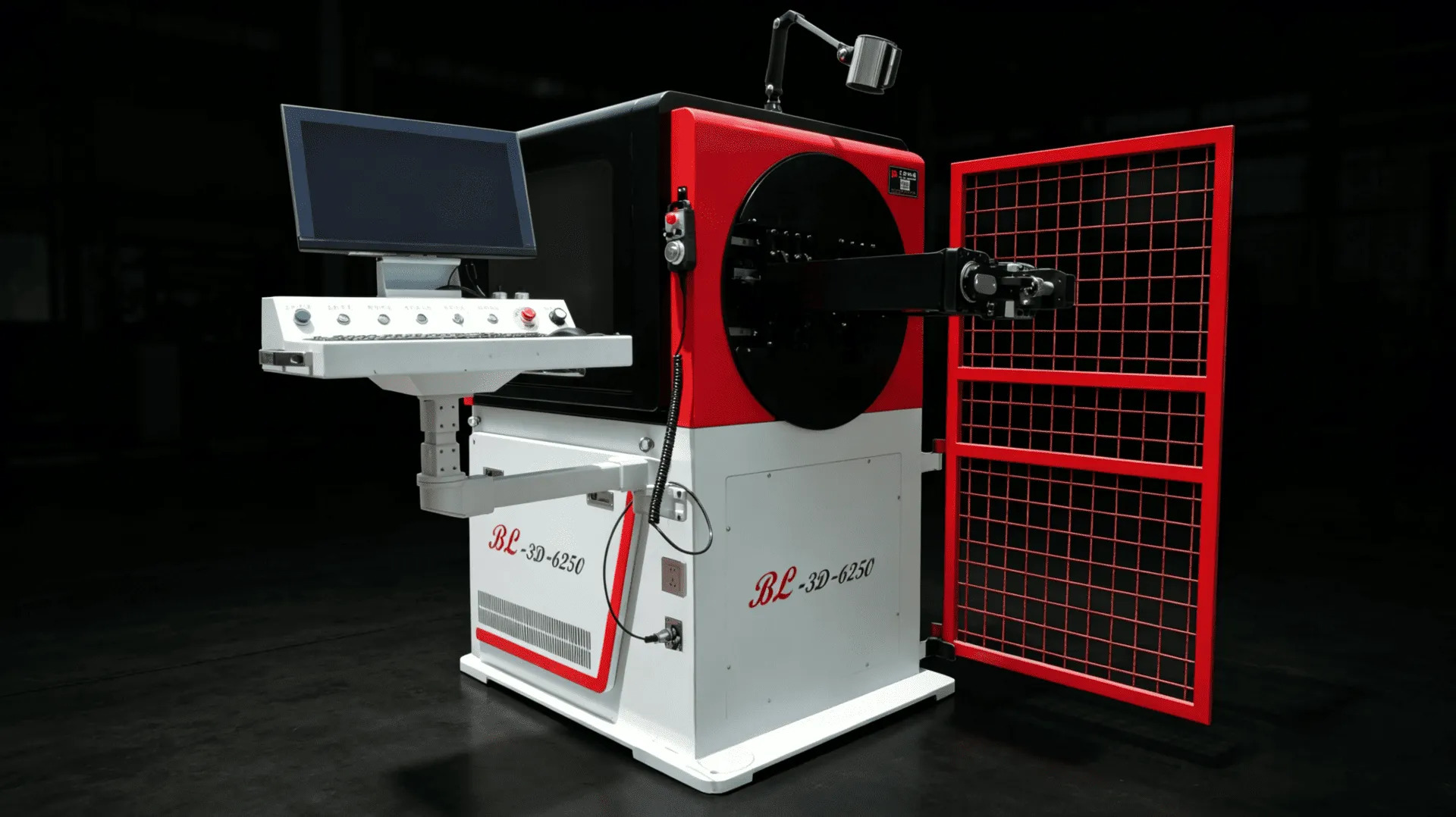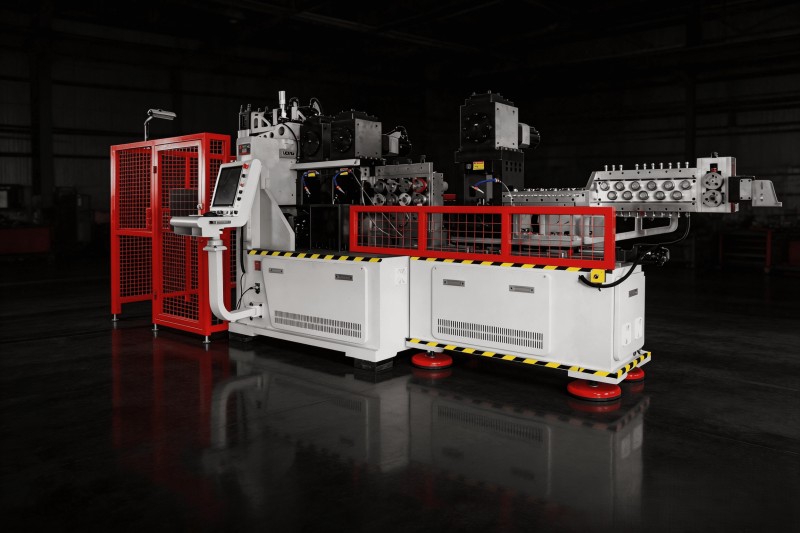

Most buyers open a busbar bending machine shortlist by counting axes. Sixteen beats thirteen on paper, so the sixteen-axis models get circled first. Then the drawing set lands — 75 mm bars for a storage cabinet, 13 mm links for a dense pack — and the machine that looked stronger in the meeting no longer covers the parts.
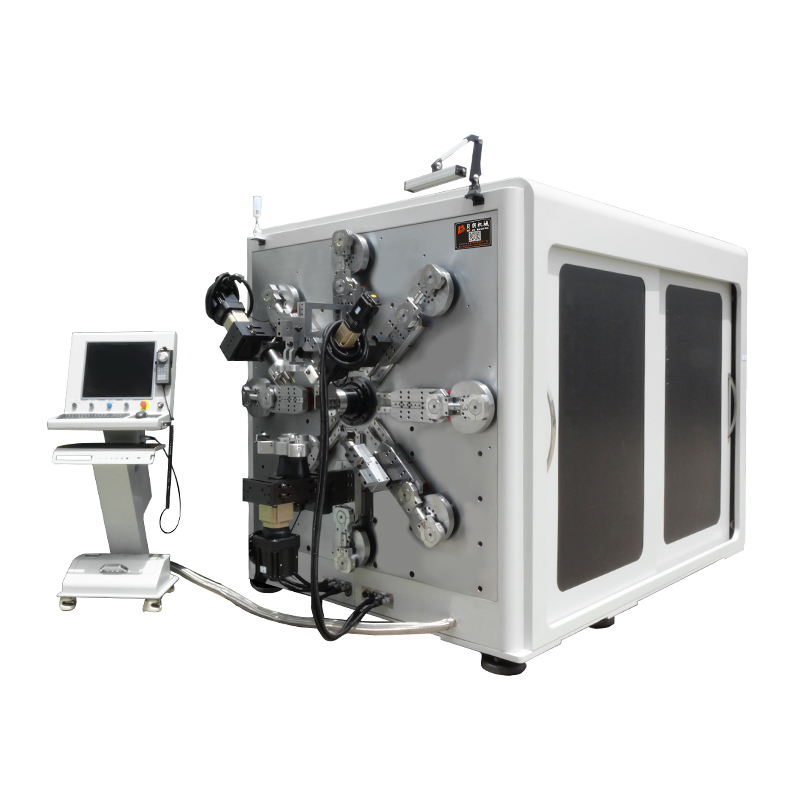
What Sixteen Segmented Axes Change on the Floor
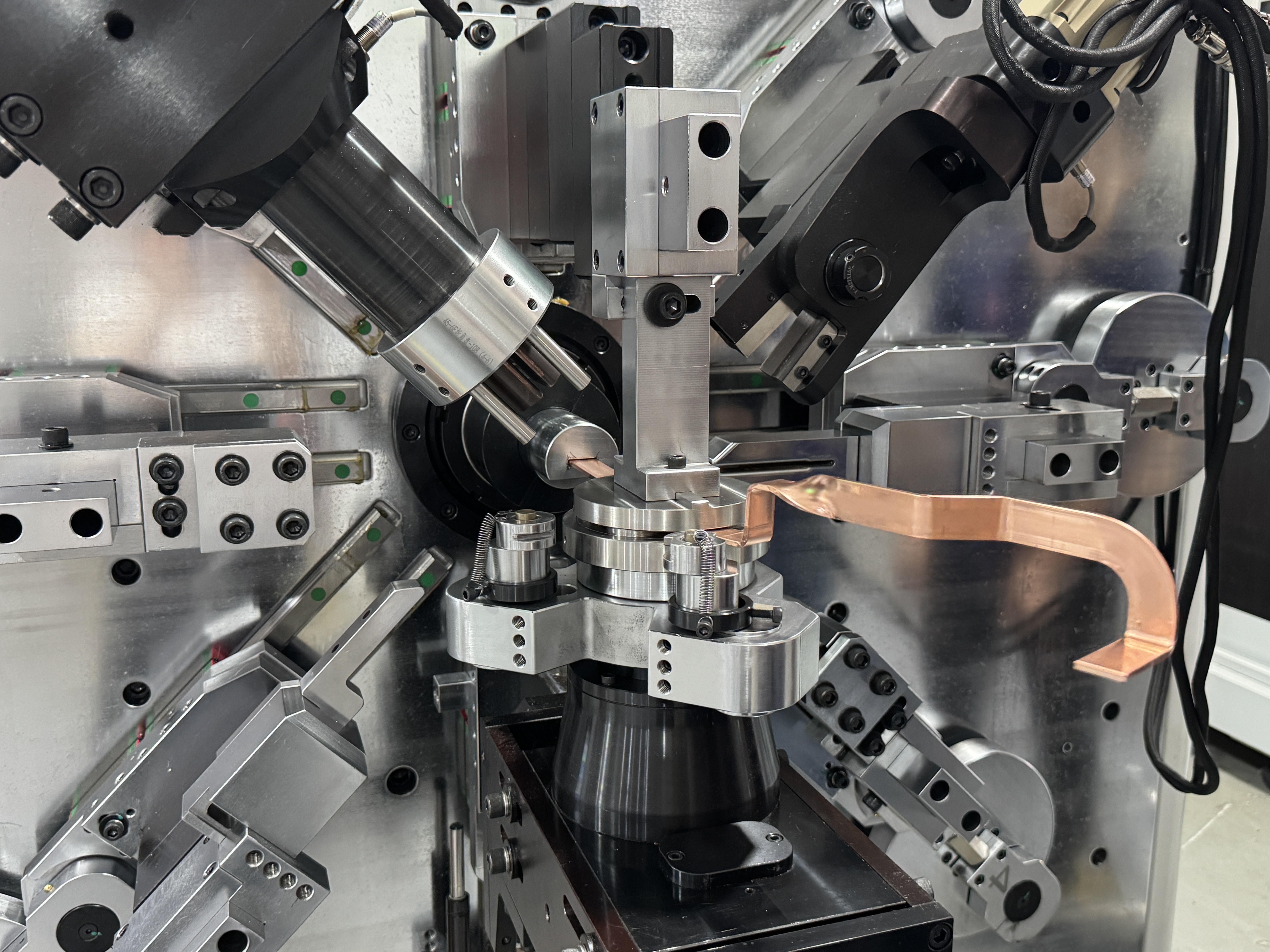
A segmented design gives each bending function its own servo axis instead of forcing one mechanism through every motion. Three things follow in daily production:
- Flat, vertical and twist bends from one program. Changing bend type is a call-up, not an afternoon of re-tooling.
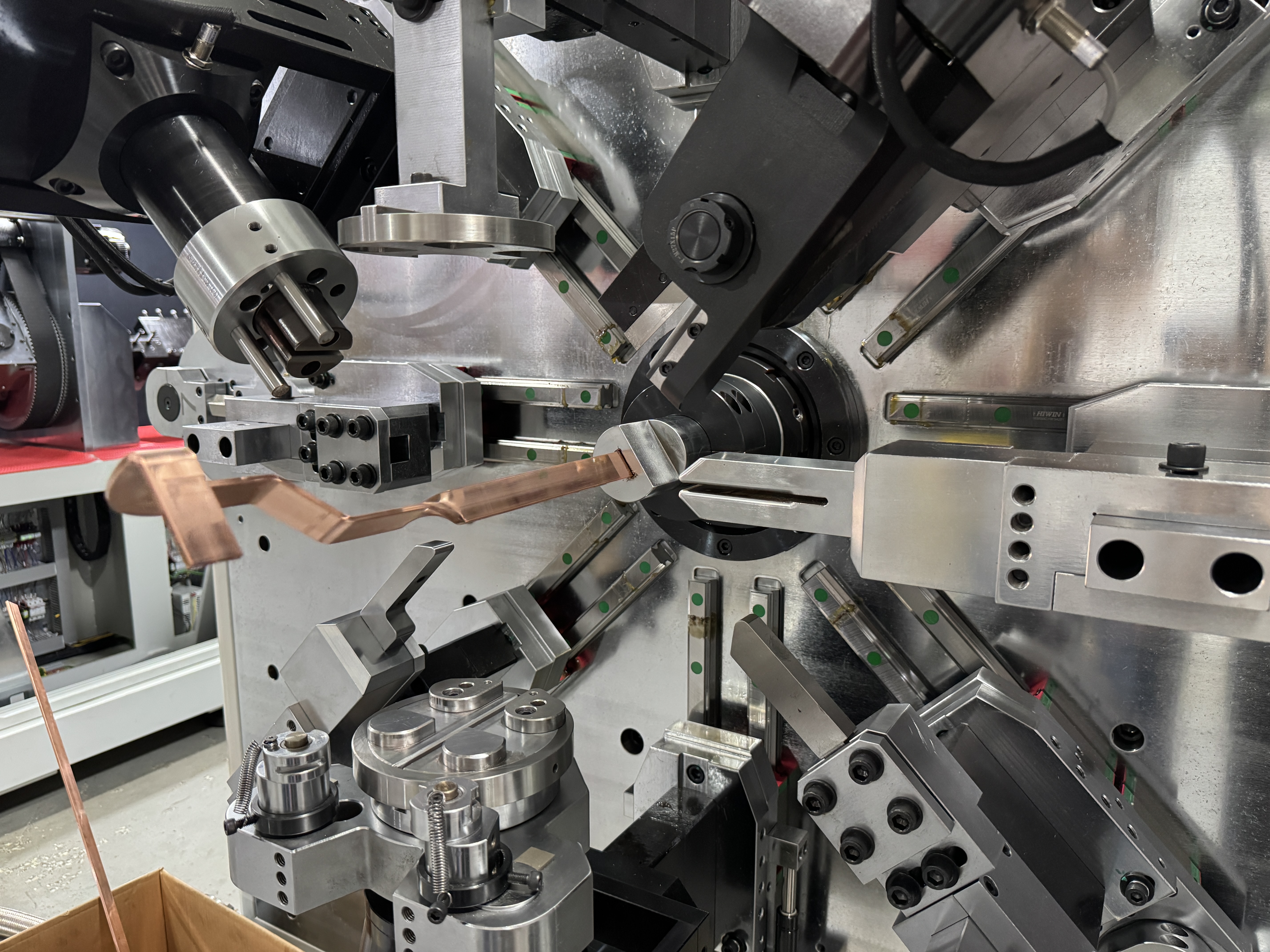
- Opposing bends hold short straights. Hedge bending forms the short straight section between two bends, geometry a single-head layout cannot produce.
- Accuracy stays flat across a shift, because no axis carries the whole load: feed length holds ±0.1 mm over a 300 mm stroke, and 90° bends repeat inside ±0.2°.
Every unit runs past 100,000 load cycles before it leaves us. If repeatability is going to drift, we want it to drift on our floor. Axis count is the easy figure to print and the expensive one to add later — the envelope under it is what you live with for a decade. That is the part of a busbar bending machine no upgrade kit can widen afterwards.
The Two Machines, Side by Side
Both are 16-axis segmented machines with the same HMI, the same programming logic and the same bend strategy. The difference sits in the columns below.
| Item | TP-DL-45-6E | TP-DL-60-8E |
|---|---|---|
| Bar width | 12.0–45.0 mm | 15.0–80.0 mm |
| Bar thickness | 2.0–6.0 mm | 2.0–8.0 mm |
| Control axes | 16 | 16 |
| Total servo power | 31.9 kW | 64.2 kW |
| Machine weight | 4,800 kg | 6,000 kg |
| Typical work | EV pack links, switchgear, inverter bars | Storage cabinets, charging infrastructure, heavy distribution bar |
Both envelopes are quoted excluding insulation. On PVC, PA12 or mica-tape bar that figure describes the copper only. Add coating thickness before you check the drawing, or a 44 mm coated bar reaches a machine rated to 45 mm with nothing left in reserve.
Why the narrow end differs
The 45-6E is rated from 12.0 mm; the 60-8E starts at 15.0 mm. If any part in your family sits below 15 mm — narrow module links are where this shows up — the wider machine is the wrong machine regardless of its ceiling.
The everyday machine
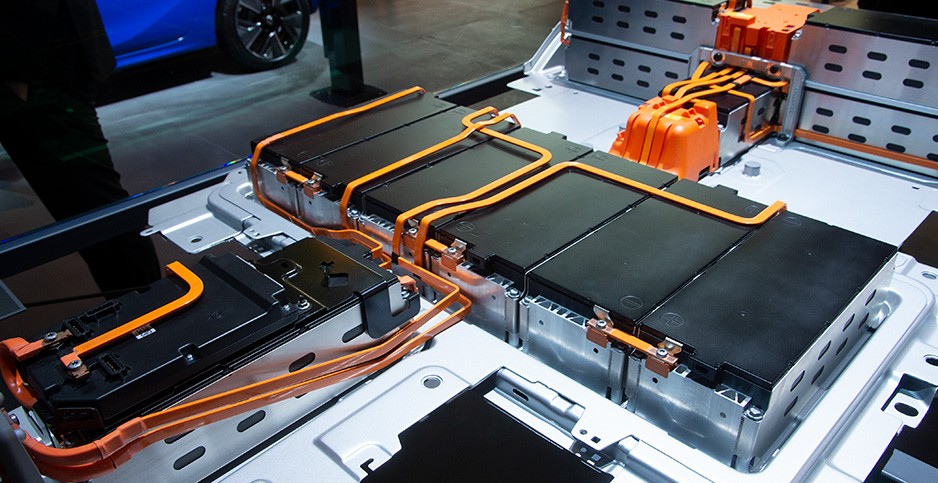
A 12–45 mm by 2–6 mm envelope covers most of what leaves an EV plant: pack links, inverter connections, distribution bars. On this busbar bending machine, 31.9 kW of servo capacity and a 4,800 kg frame are sized to that range, so nothing in the build idles for a bar you will never run. It is the model most of our new energy customers order first — five BYD production bases run 32 units between them.
The headroom machine
The 60-8E adds 35 mm of width, 2 mm of thickness, 32.3 kW of servo power and 1,200 kg of frame. That headroom is not about today’s release; it is about the quotes you want to be able to accept — energy storage cabinets, charging infrastructure, heavy distribution bars, and customers who send one mixed drawing set and expect one supplier to cover it. On this busbar bending machine the extra capacity is real, and it is paid for in floor space and connected load. If no live quotation crosses 45 mm, that headroom sits idle.
Power and Floor Are Project Items
31.9 kW against 64.2 kW is roughly double the servo capacity, and it changes what the plant has to give you: transformer headroom, cable sizing, and floor loading of 4,800 kg against 6,000 kg static, plus the dynamic load of forming 8 mm bar. We ask for available power and floor condition before we freeze a configuration. A busbar bending machine that trips the main breaker on its first thick part is a delivery problem, not a specification win.
Three Questions That Settle It
Answer these and busbar bender selection stops being a judgement call:
- What is the widest bar you are likely to sign in the next 24 months? Not the widest you have ever run.
- Which way is your customer base moving — thinner, denser packs, or larger storage and distribution work?
- What share of the work is coated? Both models run coated bar; the feed package and radius rules differ, and that belongs in the enquiry, not in the commissioning week.
If Aluminium Shares the Drawing Set
A 16-axis copper platform is not automatically right for mixed material. The 13-axis BL-TP-50-7E takes copper at 15–45 mm by 1–7 mm and aluminium at 15–50 mm by 1–8 mm, with 58.7 kW and a 6,800 kg frame, shearing included. Different axis layout, different radius rules for the softer metal. Tell us at enquiry stage if aluminium is in the mix — a correct platform quoted once is cheaper than the wrong one defended twice.
Send the Drawing Set
A model number is not a decision. Send BELAN the width, thickness and coating of the bars you actually run, plus the tightest radius on the drawing. We will name the model that fits, list the parts that would force the other one, and say so plainly if neither is right. Busbar bending machine choice gets simple once the envelope is fixed on paper. BELAN Machinery, your expert provider of automotive wire forming solutions.