
Choosing a CNC Wire Bending Machine for Automotive Parts: The FORVIA BL-3D-6800 Project
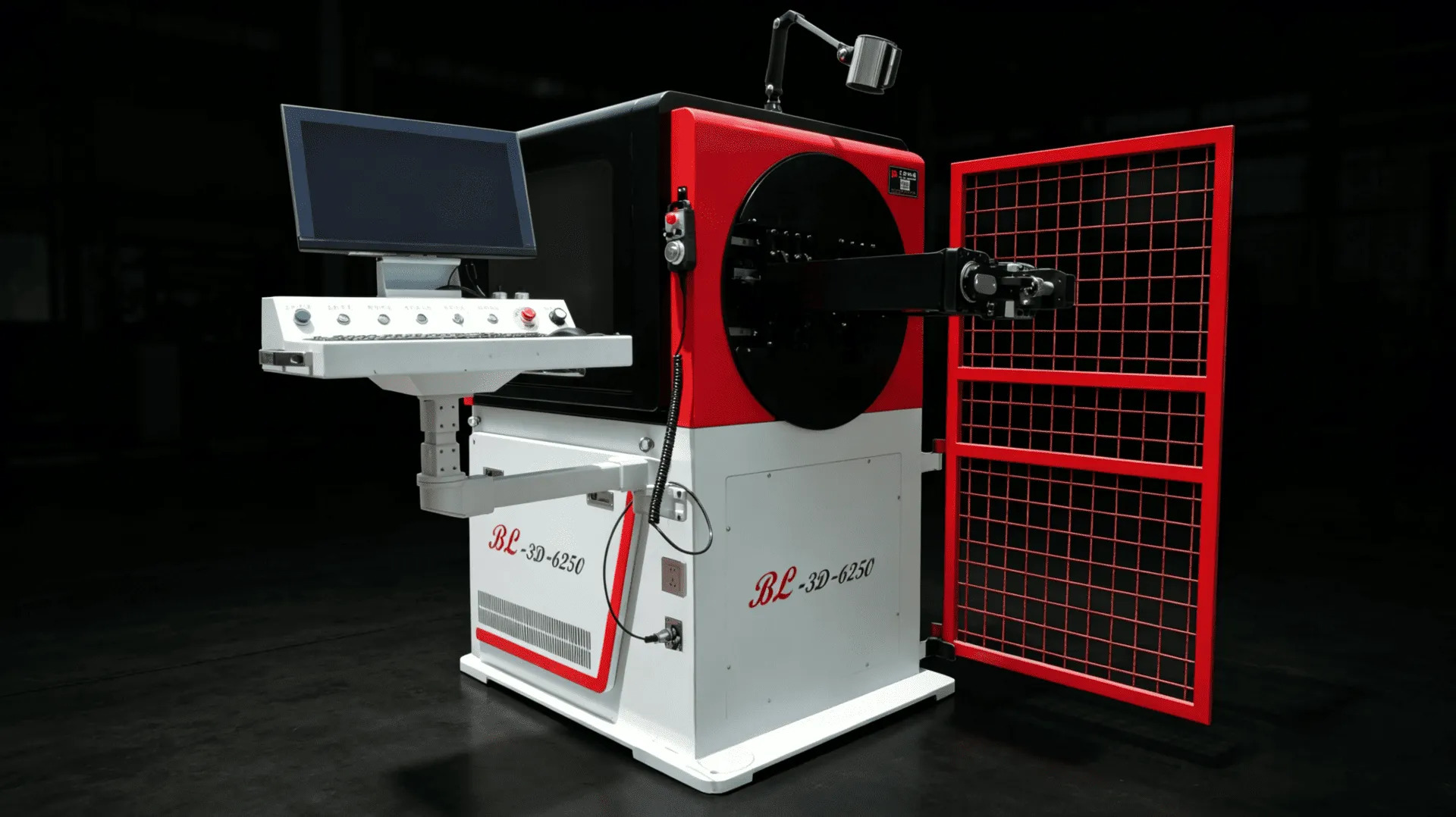
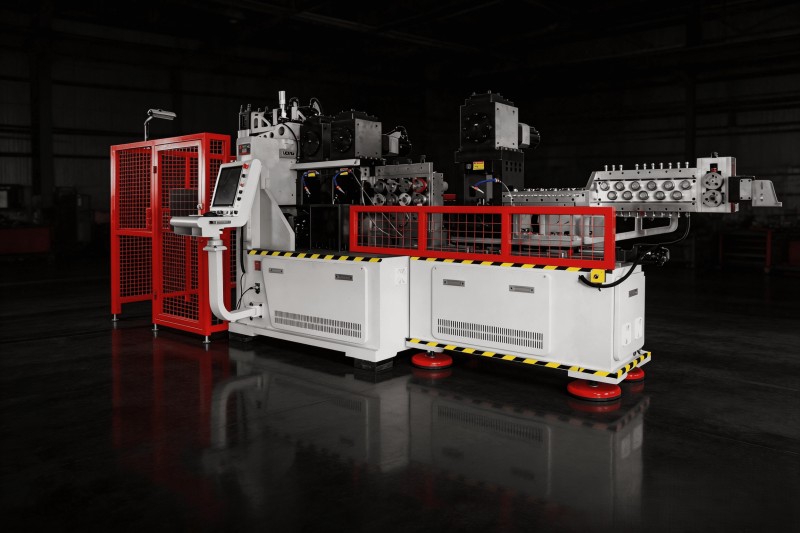
How can automotive parts manufacturers assess processing capability, safety requirements and production start dates when choosing a CNC Wire Bending Machine? BELAN's BL-3D-6800 for FORVIA meets the applicable EU requirements for CE marking and was shipped ahead of schedule before the Mid-Autumn Festival to support the customer's production plans. The project provides a practical starting point for considering product suitability, compliance documentation and delivery planning together.
Start with Automotive Part Requirements
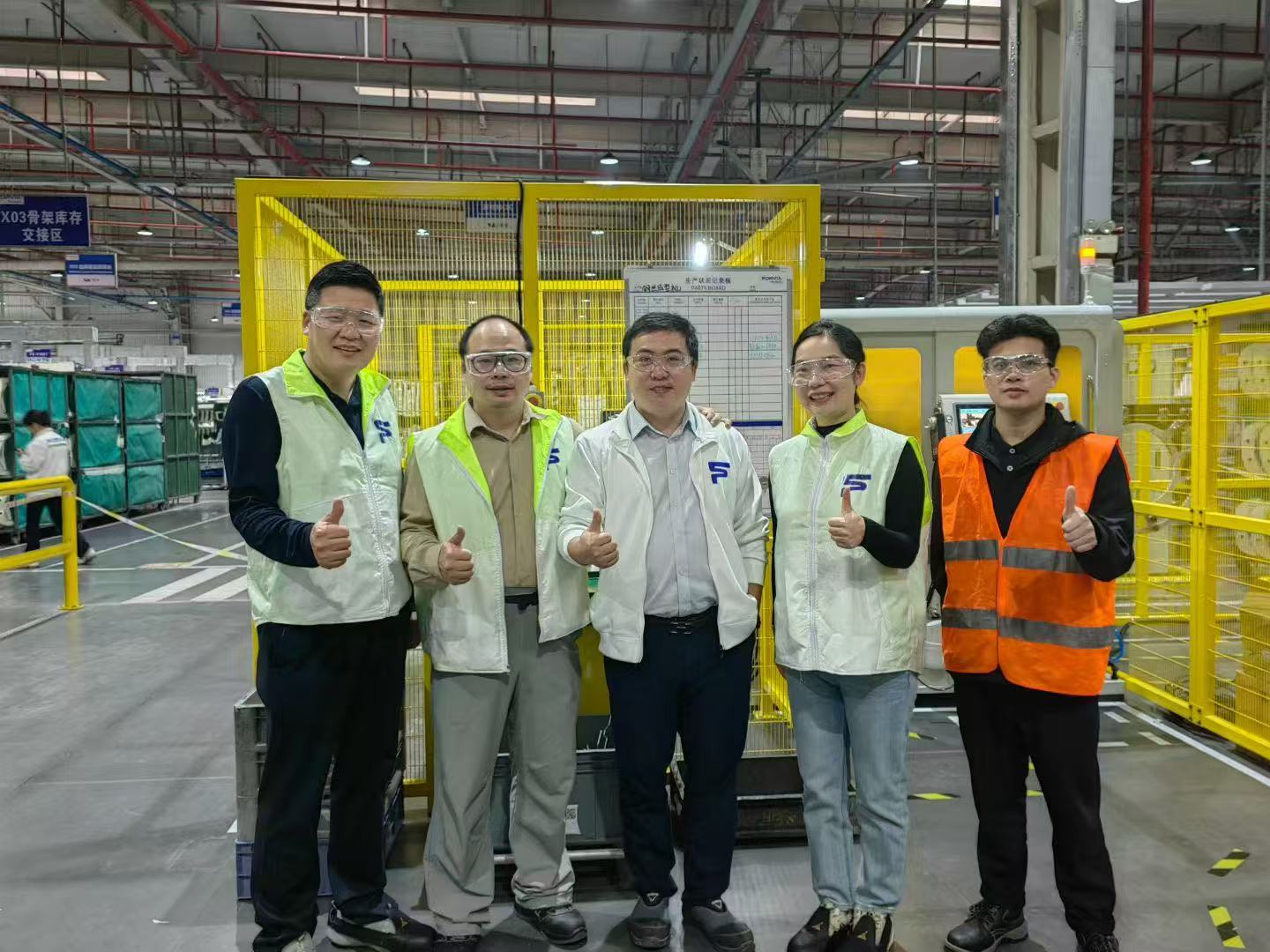
FORVIA is a global automotive technology group with automotive seating among its key businesses. Its official Chinese website describes its seating research and development centers and production facilities. For equipment suppliers serving the automotive industry, this background calls for discussions focused on specific parts and production tasks, supported by relevant machine data.
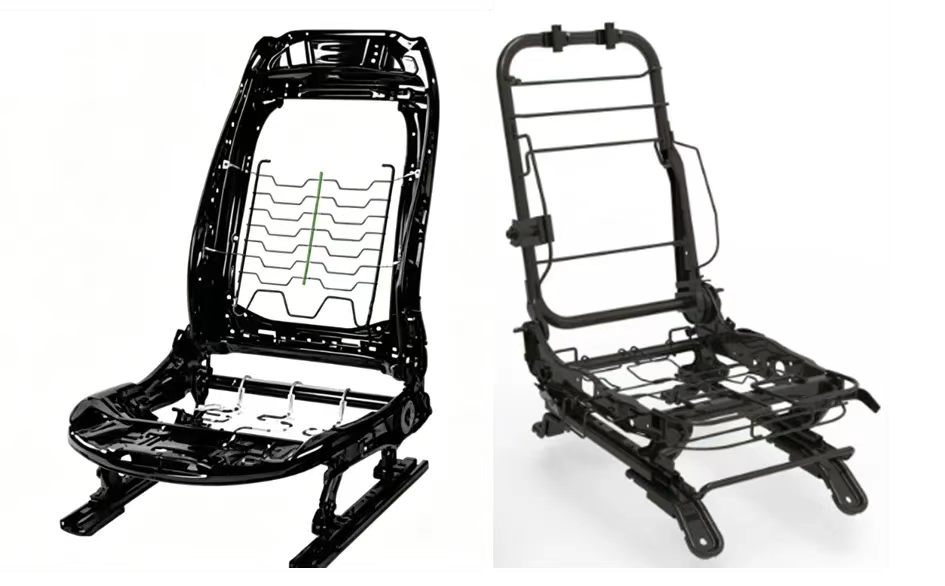
Some support components, connecting parts and fasteners used in automotive seating and related metal assemblies involve wire bending processes. The finished shape is only one part of the assessment. Mating relationships with adjacent components, welding positions and surface requirements also matter. These are examples of industry applications; suitability for each part must be confirmed from its drawings.
Match Wire Properties to Forming Capability
Check Material Condition and Bending Requirements
When evaluating a CNC Wire Bending Machine, provide the wire diameter together with its material grade, strength and supply condition. Soft and hard materials of the same diameter may require different machine capabilities and tooling. Bend radii, short straight sections and the part's three-dimensional geometry also affect processing feasibility.
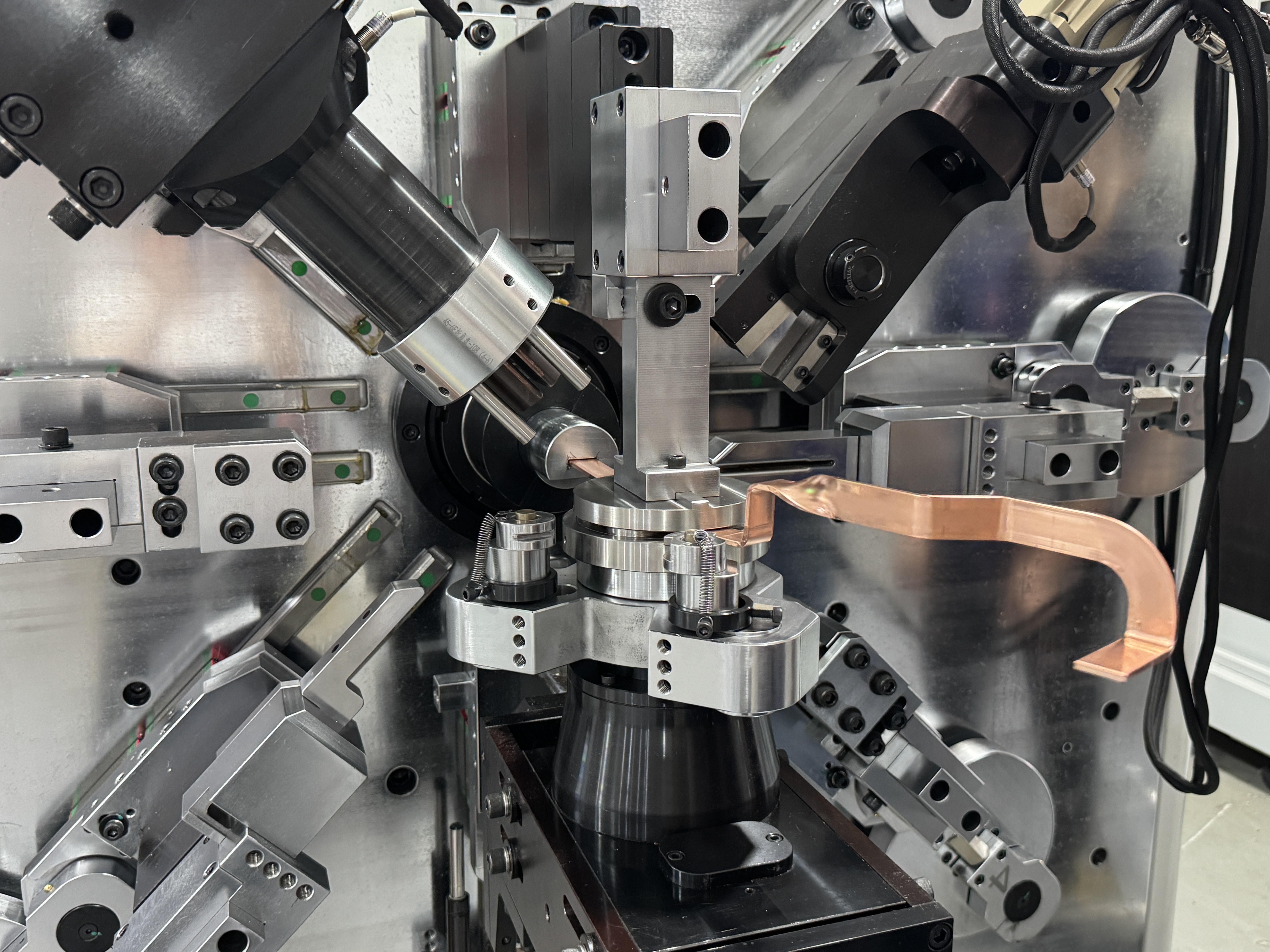
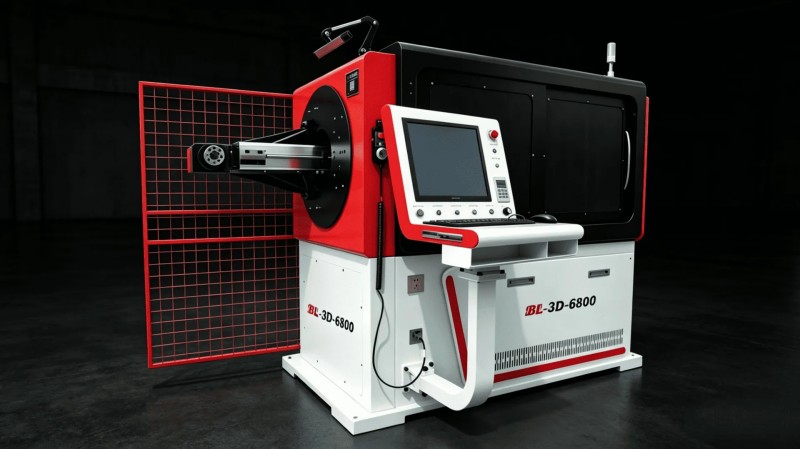
BELAN's published specifications for the BL-3D-6800 list six-axis control, with a soft-wire diameter range of 3.0-8.0 mm and a hard-wire diameter range of 3.0-6.0 mm. These specifications provide a starting point for machine selection. The actual material and part design still require drawing review and sample evaluation; a maximum wire diameter does not mean every shape can be produced.
Check the Forming Path for Complex 3D Parts
For parts with bends in several directions, the assessment should cover bending sequence, available forming space and potential interference between the workpiece and tooling. Clarifying these conditions before using a CNC Wire Bending Machine helps determine whether dedicated tooling or process adjustments are needed. It also identifies geometric limitations that cannot be resolved through programming changes alone.
Check CE Compliance and Part Acceptance
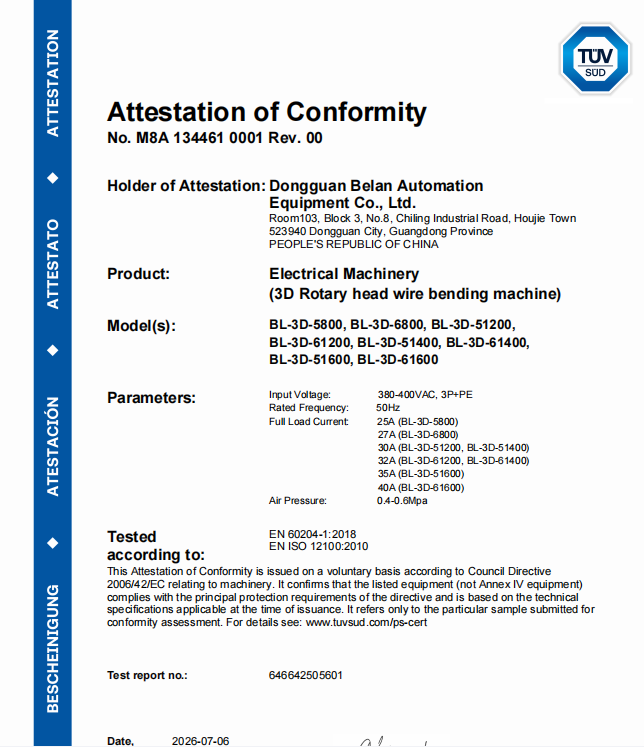
The FORVIA project uses equipment that meets the applicable EU requirements for CE marking. CE compliance concerns conformity with applicable legislation and does not replace validation of a particular part. Purchasing teams should check the declaration of conformity and operating documentation for the relevant model, while technical teams should define acceptance methods around drawing dimensions, materials and quality requirements.
Validate Dimensions and Assembly with Real Samples
To determine whether a CNC Wire Bending Machine is suitable for batch production, assess representative samples rather than relying only on a short machine demonstration. Measurements should use agreed datums and inspection gauges. Parts intended for assembly should also be checked for relative positioning and fit. After a change in material batch or tooling, critical dimensions should be checked again against production requirements.
Likewise, wire feeding speed cannot be directly converted into finished parts per minute. The number of bends, clearance movements, cutting operations and part removal method all affect the actual cycle time. Evaluating the complete processing cycle provides a more useful basis for capacity planning than comparing a single maximum speed.
Include Delivery in the Production Launch Plan
The BL-3D-6800 was dispatched before the Mid-Autumn Festival to give FORVIA more time for subsequent preparations. For similar projects, site power supply, machine footprint, material handling space and operator training plans should be confirmed during purchasing. This helps align installation preparations with equipment delivery.
Use a Shared Requirements List
When selecting a CNC Wire Bending Machine, prepare part drawings, material specifications, planned production volumes and target delivery dates. Also explain whether frequent product changeovers or connections to downstream processes are required. Suppliers can use this information to assess the model and configuration, while users can plan inspection and production preparations, reducing delays caused by repeated requests for missing information.
For companies with a defined production start target, early technical confirmation and delivery discussions make it easier to identify issues that need attention. BELAN's early shipment for FORVIA also reflects an approach to service that covers the practical work from requirement confirmation through shipment coordination, continuing beyond the selection of a machine model.
Send Your Drawings for Machine Selection Advice
Evaluating a CNC Wire Bending Machine? Send BELAN your part drawings, material specifications and production requirements to discuss forming feasibility, equipment configuration and delivery timing, and receive advice suited to your project. BELAN Machinery, your expert provider of automotive wire forming solutions