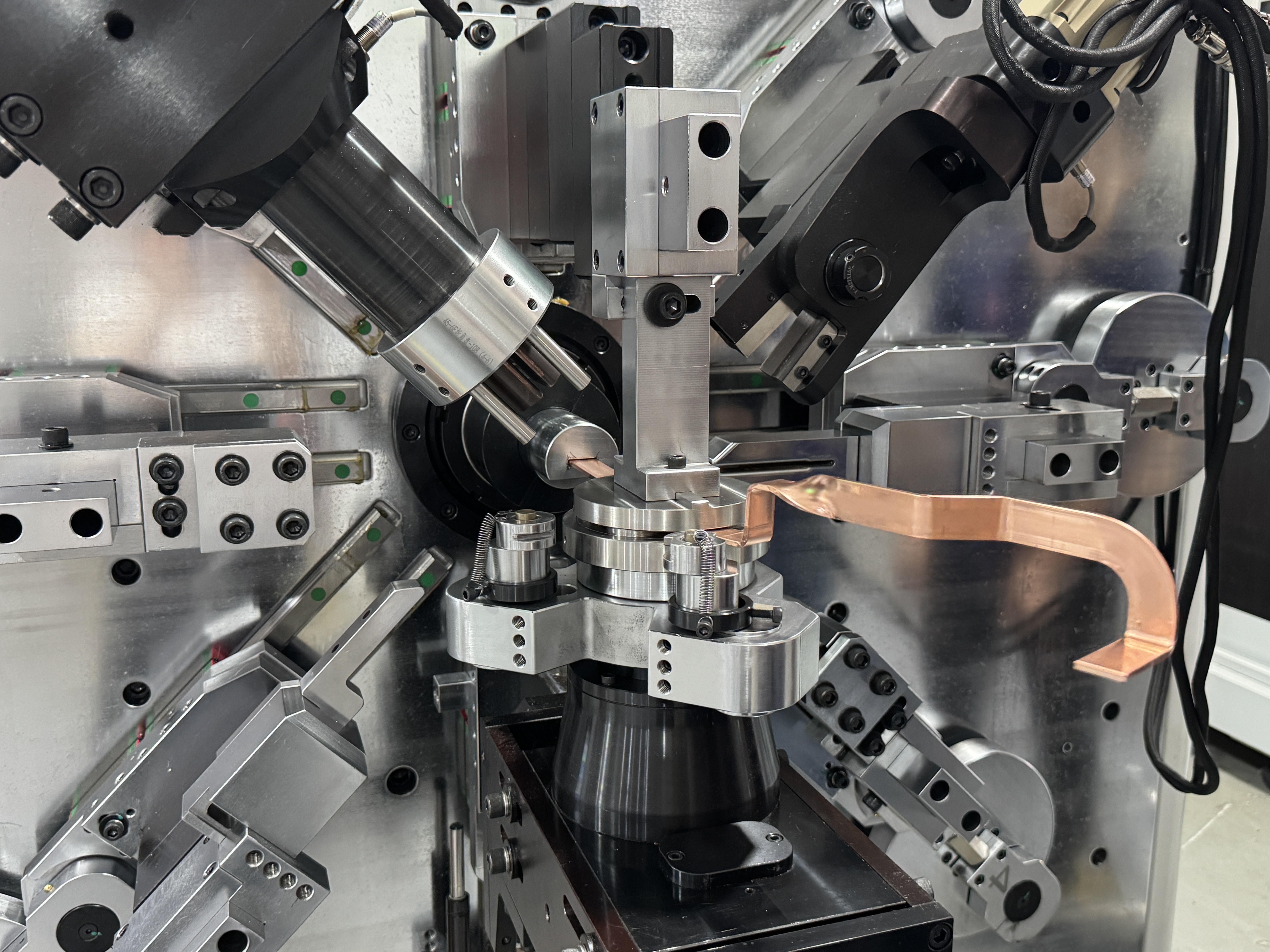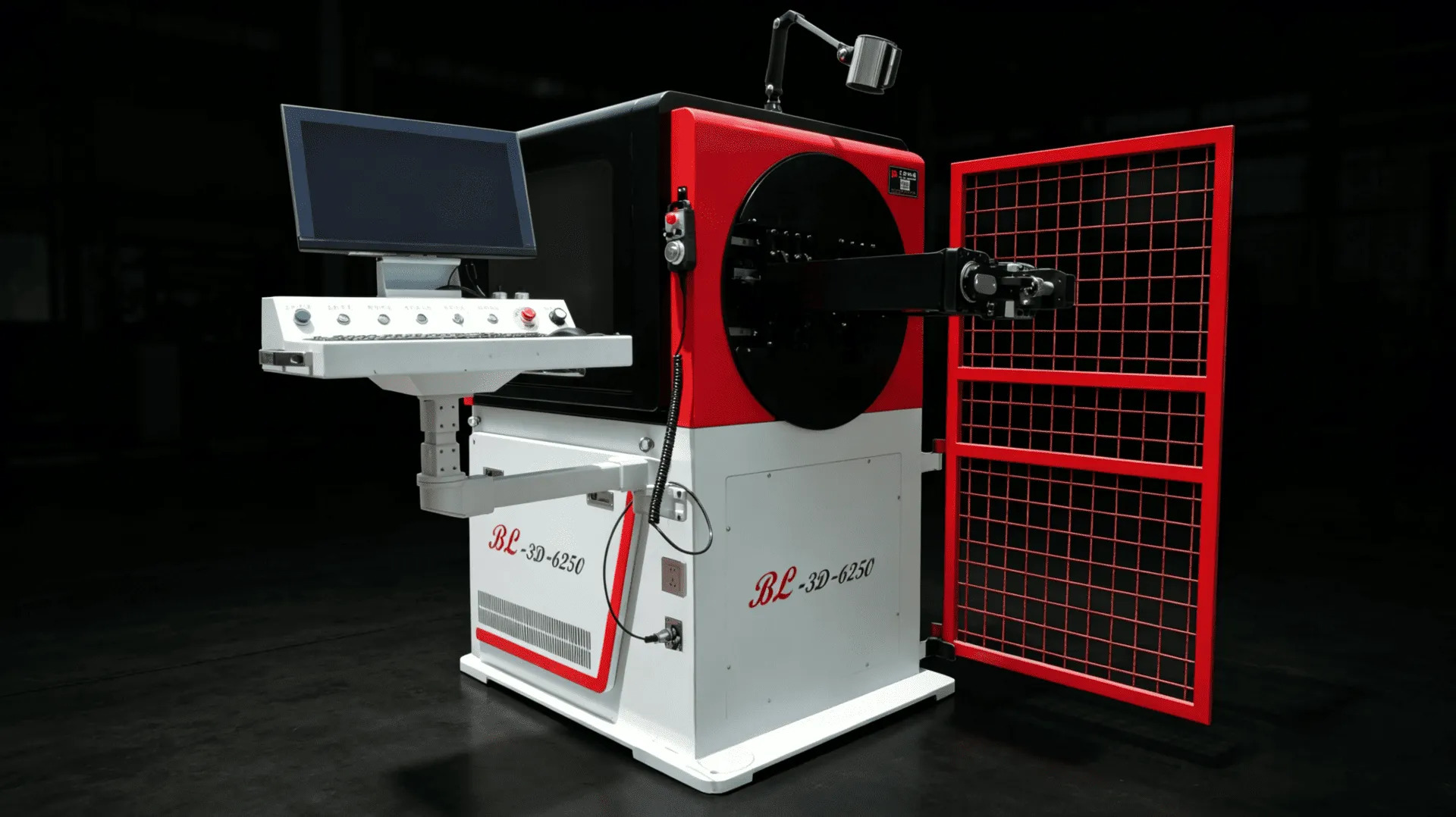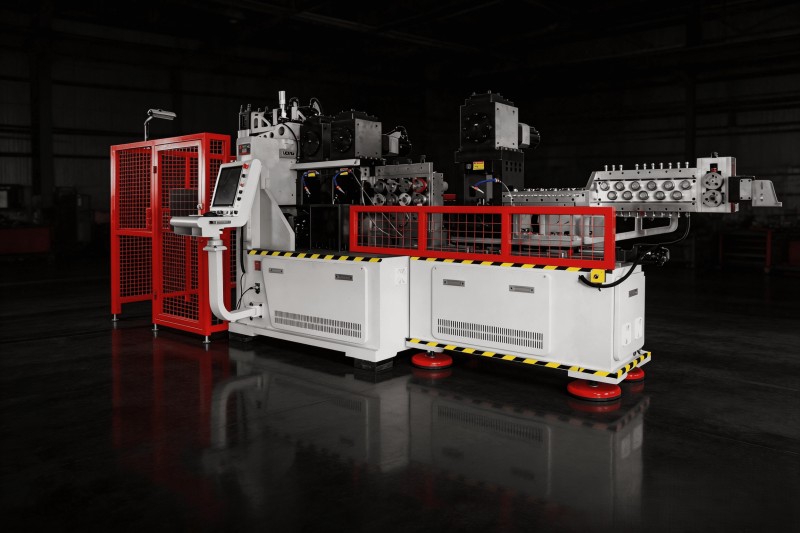


Most buyers judge a machine by its spec sheet. I judge one by what it survived before the crate was built. I run final inspection at our workshop, and I will say it plainly: a proper busbar bending machine factory acceptance test is not a twenty-minute demonstration. It is the stage where weak gearboxes, loose wiring and software glitches get caught on our floor instead of in your plant. Every model in our busbar bending machine lineup, 13-axis and 16-axis alike, goes through the same sequence before packing. Here is what actually happens.
Why the Run-In Comes First
Every machine we assemble must complete a load run-in of more than 100,000 cycles with no faults before we approve it for shipping. That number is not marketing. Ten thousand cycles will reveal a wiring error. Fifty thousand will surface a servo tuning problem. It takes a six-figure cycle count to expose the parts that vibrate loose, overheat or drift after a morning of production.
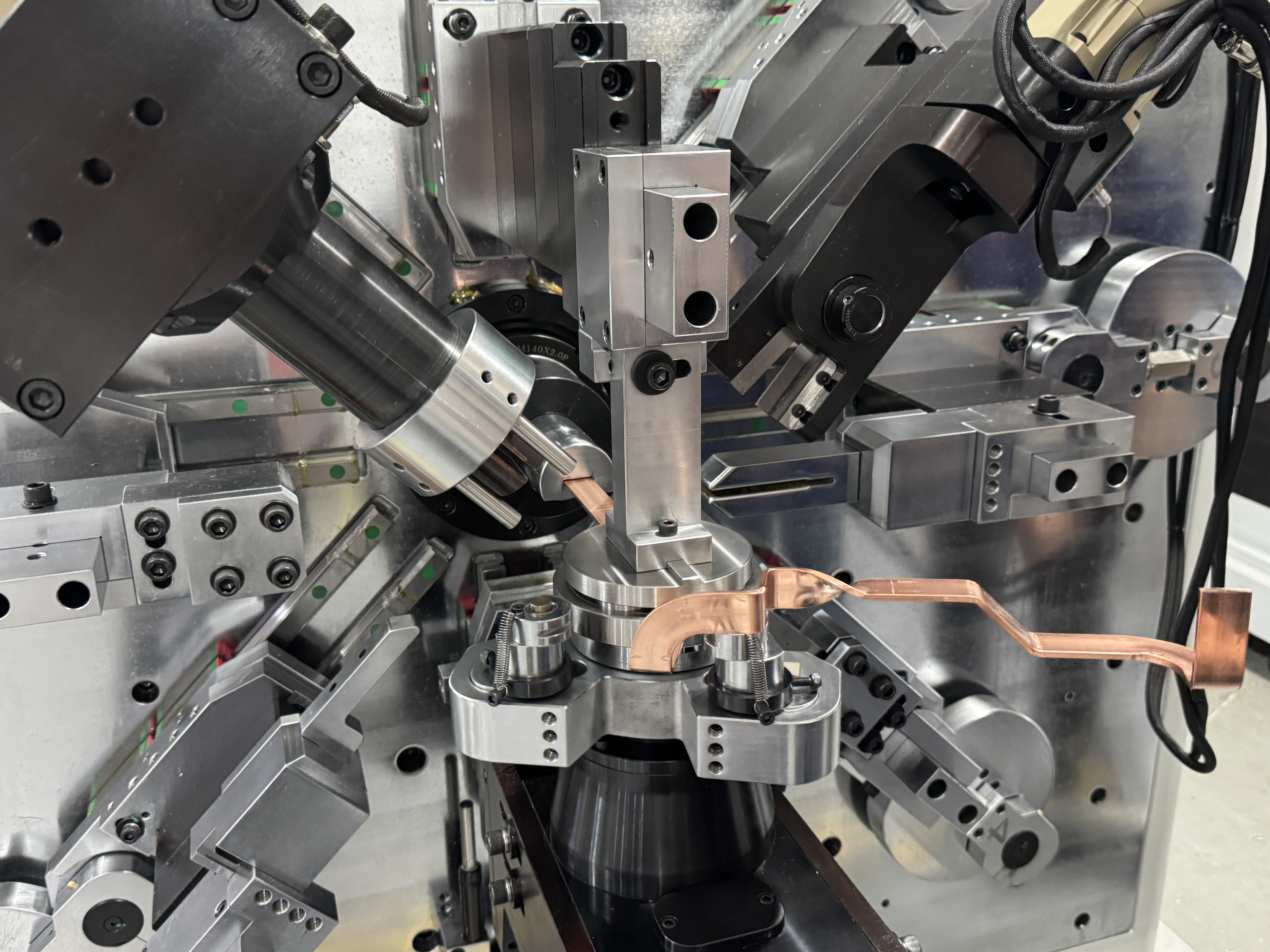
During the run-in, the machine bends repetitive test pieces under full load. Our technicians watch three things: servo temperature, repeatability drift over time, and lubrication behavior. Any deviation stops the test, the cause gets corrected, and the count restarts from zero. We would rather lose three days here than have you lose three weeks commissioning.
This 100,000 cycle endurance test is also the first item automotive tier-one auditors ask to see documented — and we can show the record for every serial-numbered machine we build.
Accuracy Verification Against the Spec Sheet
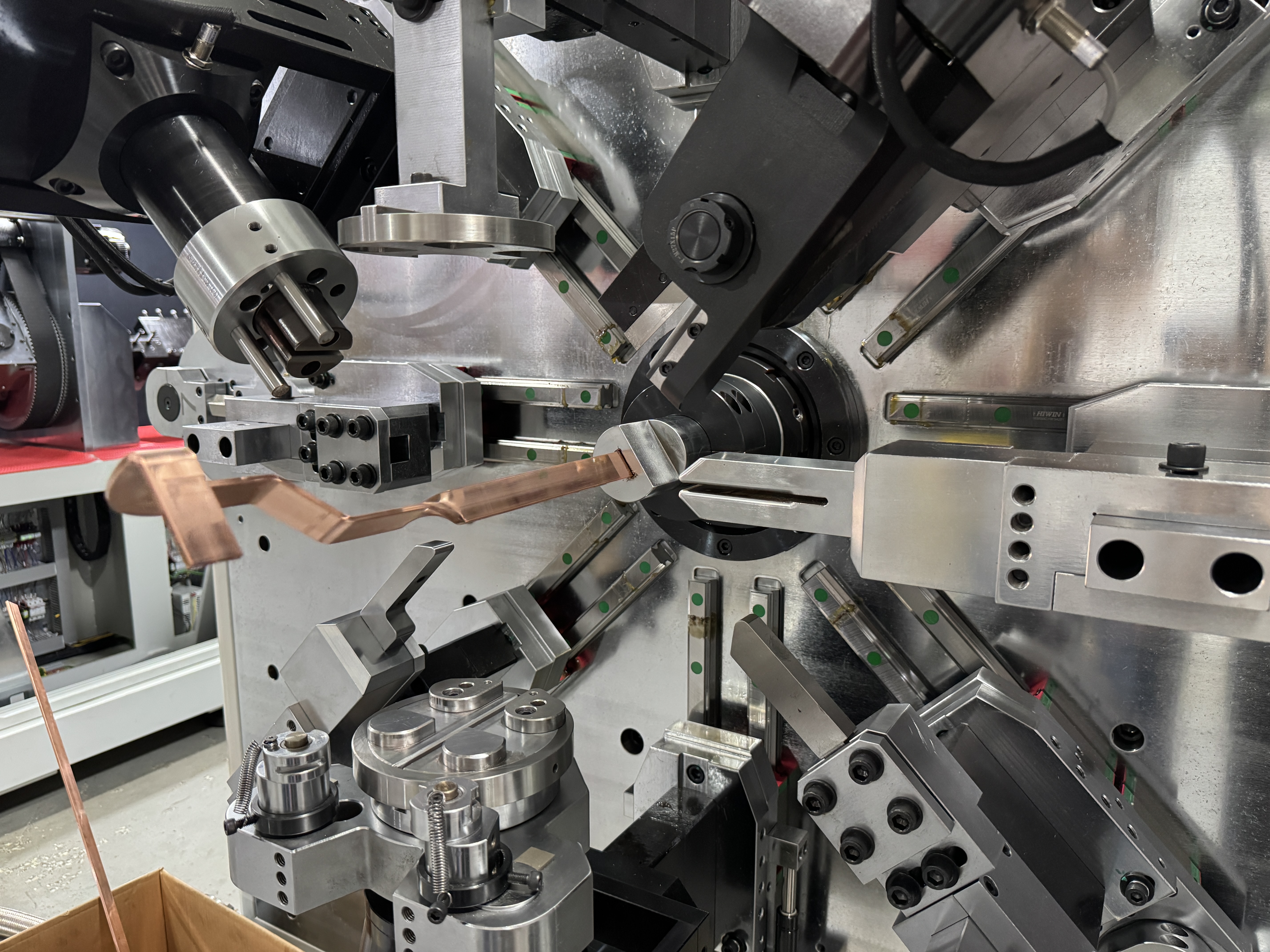
After the endurance run-in, the busbar bending machine is measured against the tolerances we publish. These numbers are verified with actual bends, not by reading encoder displays. A test piece is measured with calipers and an angle gauge, and every reading goes into the acceptance record that travels with the machine.
| Check | Target |
|---|---|
| Feed length (300 mm stroke) | ±0.1 mm |
| Bend angle repeatability (90°) | ±0.2° |
| Horizontal (flat) bend accuracy | ±0.1° |
| Vertical bend accuracy | ±0.2° |
When you compare suppliers, ask one question: are these figures type-test numbers copied from a sister machine, or readings taken from the unit you are buying? Ours come off the machine with your serial number on it.
What You Witness on Acceptance Day
Buyers often ask what a busbar machine factory acceptance test should cover. You are welcome to attend in person or send a third-party inspector, and this is the half-day agenda we run:
- Trial bends on your material. Bring samples of the copper or aluminum bar you actually produce — coated bar included. Bending your stock, not ours, is the only result that matters.
- Surface inspection. On PVC or mica-coated bar, we check the insulation for scratches and pressure marks after feeding and every bend.
- Test records review. Cycle counts, tolerance readings and servo temperatures from the run-in are open for your review.
- Operator walkthrough. If your technicians travel with the inspector, they get a first hands-on session at the controls.
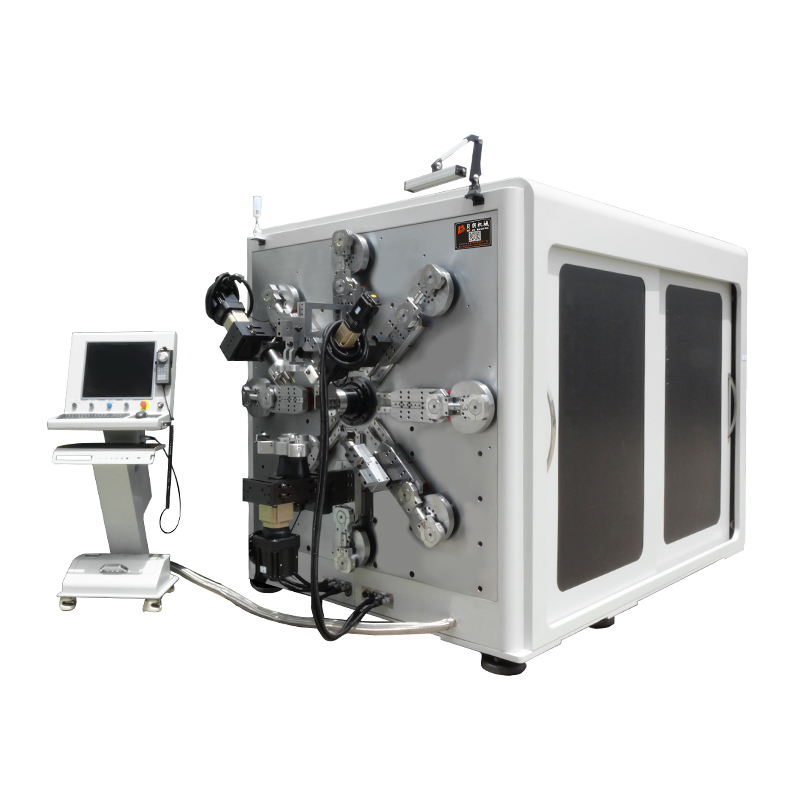
On a 16-axis segmented machine such as our busbar bending machine TP-DL-45-6E, your inspector can also watch the bar hand off between bend arms — the exact point where cheaper machines show their worst habits.
Disputes are rare when acceptance is witnessed. A buyer who has watched his own busbar bending machine bend his own bars cleanly does not wonder what will arrive at his dock.
Export Packing: The Overlooked Stage
After sign-off, the machine is prepared for the ocean. Film wrap goes on first, then a moisture barrier, because a machine that crosses the equator in a container will see condensation. The unit is bolted to a steel skid, and moving parts are blocked so road vibration cannot shift alignment.
Packing and container loading take three to five working days once the acceptance report is signed. The packing list, test records and spare-parts inventory are sealed in a document pouch fixed to the crate — a small detail that speeds up customs and your first maintenance check alike.
The Point of All of It
A busbar bending machine factory acceptance test exists to move risk from your workshop to ours. The 100,000-cycle run-in, the tolerance verification and the witnessed trial bends all serve one promise: the machine that arrives performs the way the machine you tested performed. Buyers who audit suppliers — and the automotive tier-one customers we ship to run exactly these checks — consistently rank documented endurance testing above everything else on the checklist.
If you are comparing suppliers, ask each one what their acceptance procedure covers and whether the records travel with the machine. When you are ready, send BELAN your bar samples and specifications. We will run them, film the trial, and hold the crate open until you have witnessed the full test.
BELAN Machinery, your expert provider of automotive wire forming solutions. Contact us to schedule a witnessed factory acceptance test on your own bar stock and receive the complete endurance and accuracy records for the busbar bending machine built for you.