
Three things changed in new energy vehicle busbar work, and all three land on the same piece of equipment. Coatings became standard instead of optional. Bars got thinner while current ratings went up. Order books split into smaller lots across more materials. None of these is a market-size story. Each is a change in what a busbar bending machine has to do, and the machines that were adequate in 2022 are now the constraint.
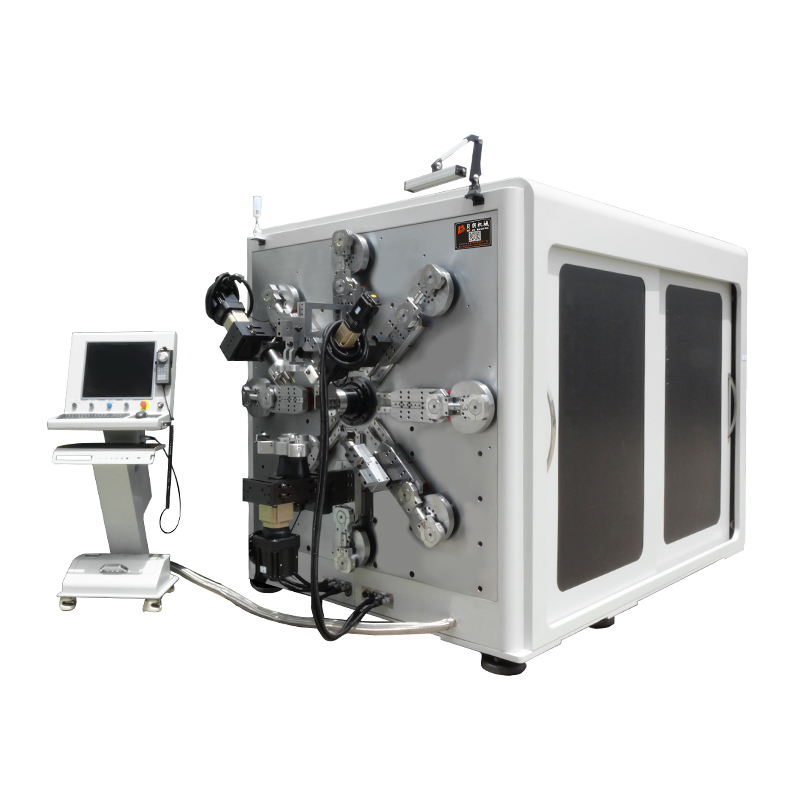
Change 1: Coatings Became Standard, So Feeding Had to Change
A bare copper bar tolerates almost any feeding method. A PVC, PA12 or mica-tape bar does not. The coating has low adhesion on some grades and no compressibility on all of them, which means the feeding system now decides quality on any busbar bending machine before the bend is even reached.
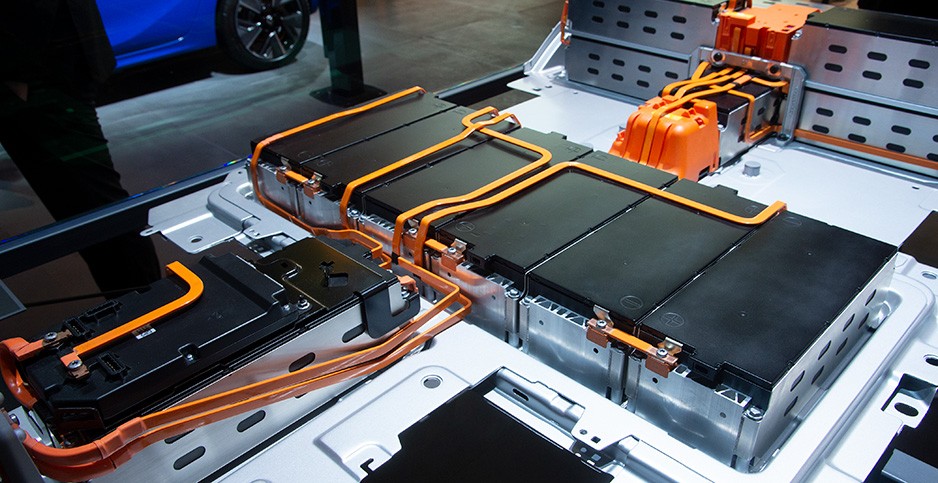
Three feeding designs compete, and only one covers the whole material mix:
| Design | PA12 copper | PVC-mica | Size changeover |
|---|---|---|---|
| 8-wheel roller | Yes | No | New wheel set, ~4,000 RMB, ~20 min |
| Clamp feeder | Slow | Yes | Pad adjustment |
| Tracked belt | Yes | Yes | Pressure adjustment, minutes |
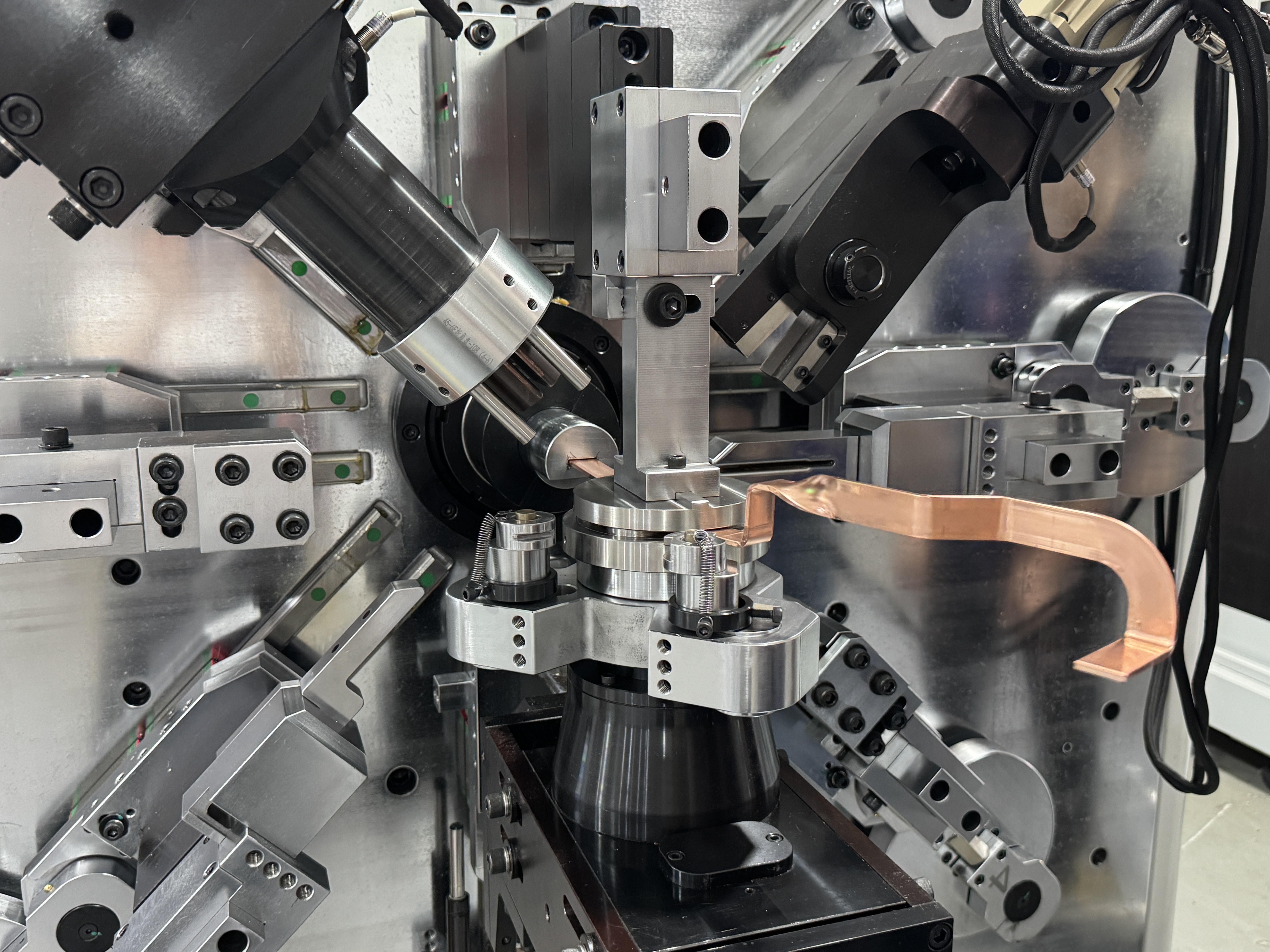
The practical consequence: plants that bought roller-fed machines for bare bar now run a second process for coated parts, or reject insulation damage they cannot explain. The fix is mechanical — a track that wraps the bar instead of pinching it — and it is the single largest quality lever in coated work.
Change 2: Thinner Bars, Tighter Radii, Same Coating
Higher power density pushed packs toward thinner bars with tighter bend radii. Thin bar plus tight radius is exactly the combination that produces inner bulge and outer cracking: less copper volume to absorb displacement, more stretch on the outer coating.
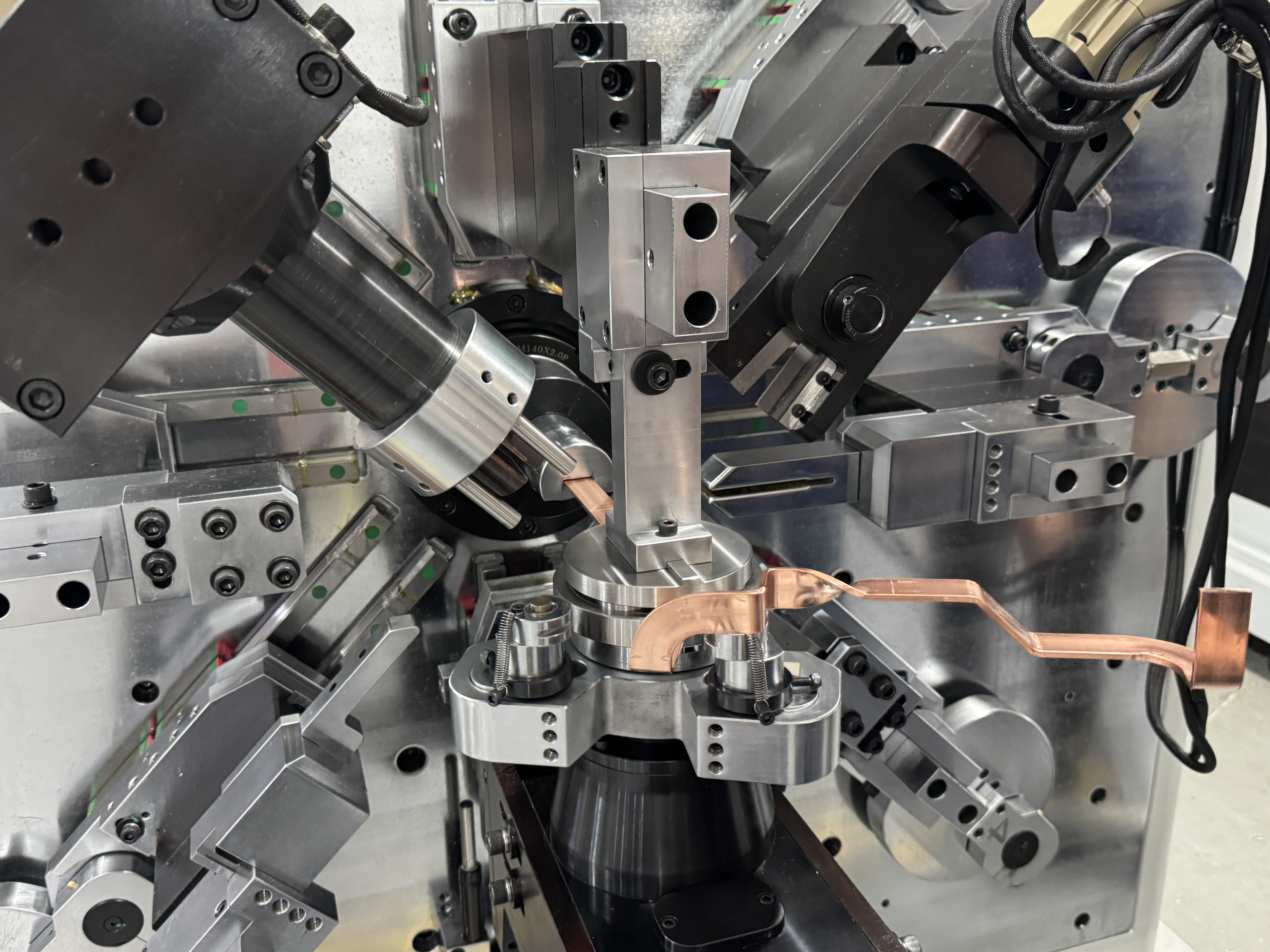
Two process responses are now standard on our machines. First, geometry discipline — inner radius at one times bar width for flat bends and one times bar thickness for vertical bends, which holds bulge to 1.6 mm and 1.5 mm single-side against an industry tolerance of 4 mm across both sides. Second, high-frequency preheating at the outlet, so the coating reaches the bend elastic rather than cold and brittle.
Neither is a software feature. Both are hardware decisions made at order time, which is why this shift changes procurement rather than production planning.
Change 3: Mixed Materials, Smaller Lots
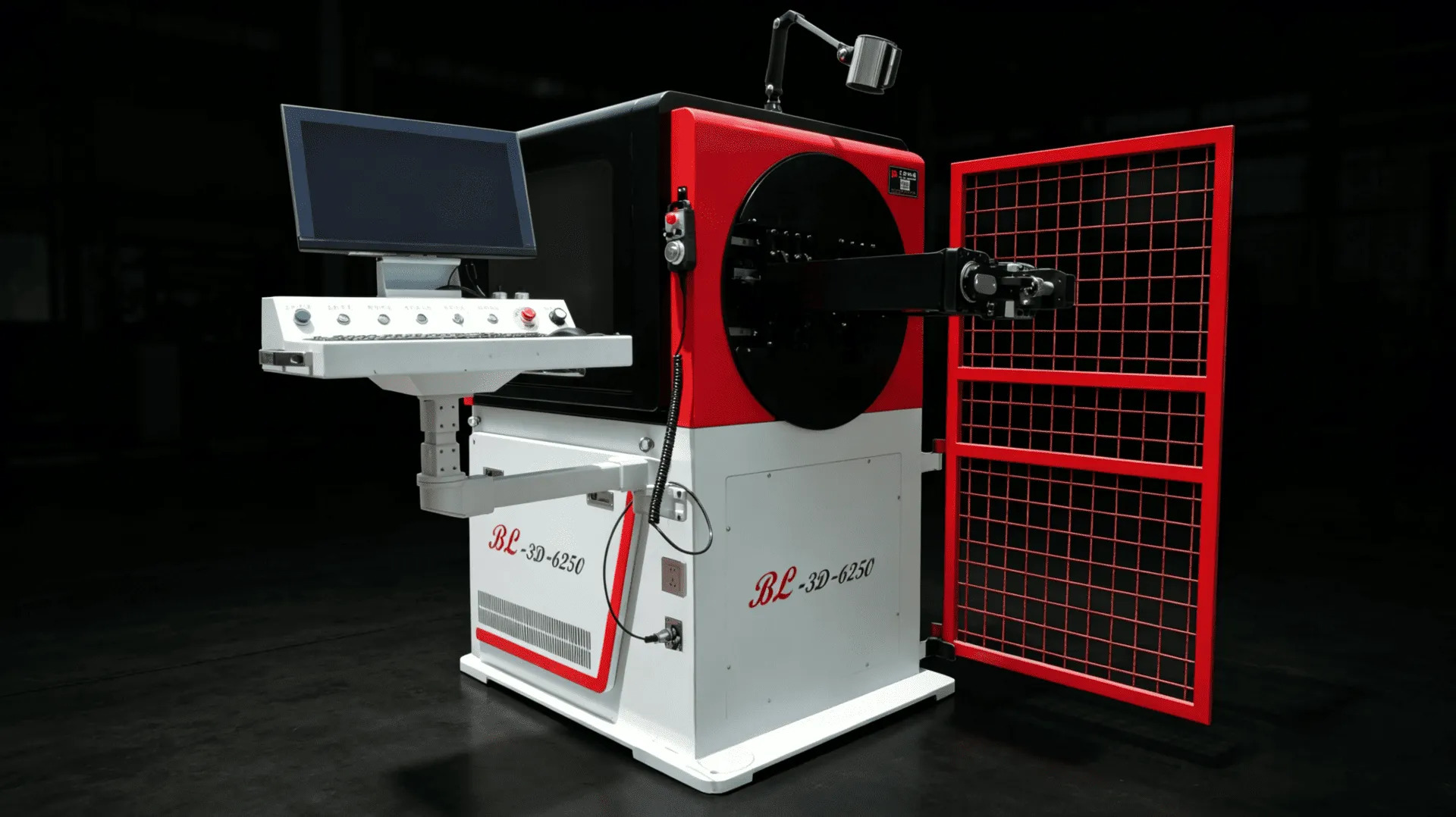
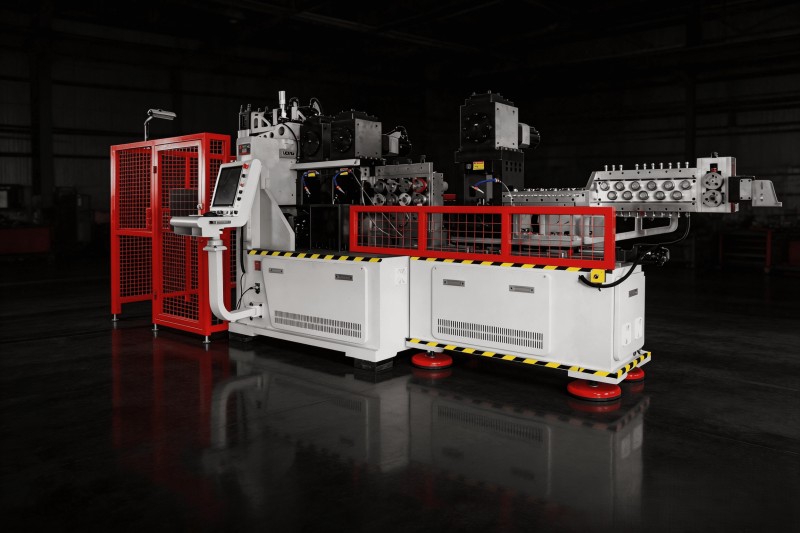
The same plant now bends copper for one program and aluminum for the next, in lots small enough that changeover time eats the margin. That is why pressure-adjustable tracked feeding matters beyond quality: on a 13-axis busbar bending machine covering 15–50 mm width and 2–7 mm thickness, switching material is a pressure setting and a program load, not a wheel change.
Shops that still run one material per machine are absorbing a scheduling cost they rarely measure. Two machines that each sit idle half the week cost more than one that switches in minutes.
What This Means for Equipment Decisions
Three practical judgements follow from the above:
- Buy the feeding system, not the axis count. Axis counts are comparable across suppliers; feeding designs are not, and feeding decides coated-bar yield.
- Treat radius capability as a purchase criterion. Ask any busbar bending machine supplier for the smallest radius the machine holds on your material without cracking — with a test part, not a catalogue figure.
- Verify repeatability with records. Feed accuracy of ±0.1 mm at a 300 mm stroke and bend repeatability of ±0.2° are auditable claims only if a supplier can show the endurance test behind them.
Three Questions Buyers Keep Asking
Can one machine handle both coated and bare bar?
Yes, with tracked feeding and adjustable pressure. Roller feeders generally cannot run PVC-mica bar at all.
Does preheating slow the cycle?
No. It runs inline at the outlet and adds no separate handling step.
Is aluminum harder to bend than copper?
It is softer and galls more easily, so contact pressure matters more than force. Program compensation values differ, which is why separate recipes are worth saving.
The Direction Is Clear
The trend is not toward more axes or bigger machines. It is toward equipment that survives fragile materials, holds tight geometry and switches quickly. A busbar bending machine bought on axis count alone will be replaced before its depreciation schedule ends; one bought on feeding design and tolerance evidence will still be earning in 2032.
If your drawings are getting thinner and your coatings more varied, send BELAN your bar list and your tightest radius. We will run the sequence on our busbar bending machine and send back the measured parts, so the decision rests on parts rather than predictions.
BELAN Machinery, your expert provider of automotive wire forming solutions. Request a 2026 assessment against your current drawing set, with a trial bend on your thinnest coated bar and the process parameters documented.
Are your drawings getting thinner and your coatings more varied?
Send us your bar list and your tightest radius. We will run the sequence on the matching machine and return the measured parts with the parameters — so the decision rests on parts, not predictions.