
The machine is installed, the trial parts are signed, the engineers have flown home. Three weeks later the phone rings at midnight: the angle has drifted and there are marks on the bar face. The buyer says the machine is no good. I ask which coil they loaded.
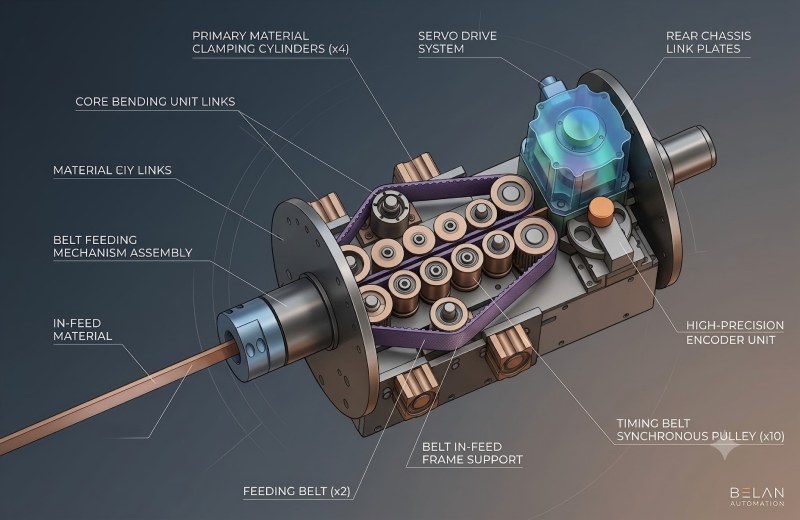
I get that call seven or eight times a year, and almost none of them are a broken machine. They are cases where the bending machine manufacturer and the buyer never split the duties at handover. Buyers ask how long the warranty runs. What decides whether the next month is calm is which line belongs to whom.
Four Lines, One Month
Warranty length is a clause. How duty is split is a structure. Four lines: site (power, air, floor), material (coil and drawing), people (operation and maintenance), machine (spare parts and faults). Of those, a bending machine manufacturer usually owns only part of the last one.
| Item | Owned by | Evidence to keep | Where it goes wrong |
|---|---|---|---|
| Voltage, air, floor | Buyer | Panel photos, voltage log, air gauge | Voltage sag drifts the angle, blamed on accuracy |
| Coil batch, width and thickness | Buyer, shared until first article is signed | Batch number and drawing revision on the first-article sheet | Batch changed, nobody re-confirmed |
| Operation and daily maintenance | Buyer, once training is signed off | Training sign-off, maintenance log | Between "we covered it" and "they can do it" |
| Wear parts: jaws, dies, track, sensors | Supplier ships, buyer stocks | Parts list with spec, quantity per machine | Ordered after failure, line waits |
Line One: Power, Air and Floor
Angle on a copper busbar bending machine comes from servo response plus a mechanical datum. Slipping feed and drifting angle, though, often start in the panel or the air line. Low voltage and the servo answers half a beat late. Weak air and the jaws never seat, so the bar walks a few hundredths every stroke.
Before the machine lands, photograph the panel, log the voltage, read the air gauge, and send it to the bending machine manufacturer for the file. Those items tell you whether a fault is a tuning job or an electrical one.
Line Two: Material and Drawing
Two batches of the same temper grade do not behave the same. Hardness varies, burrs vary, and width and thickness tolerance runs straight into the angle. If the drawing marks neither the bend datum face nor which face sits outward, the setter is guessing, and a wrong guess scraps the first article.
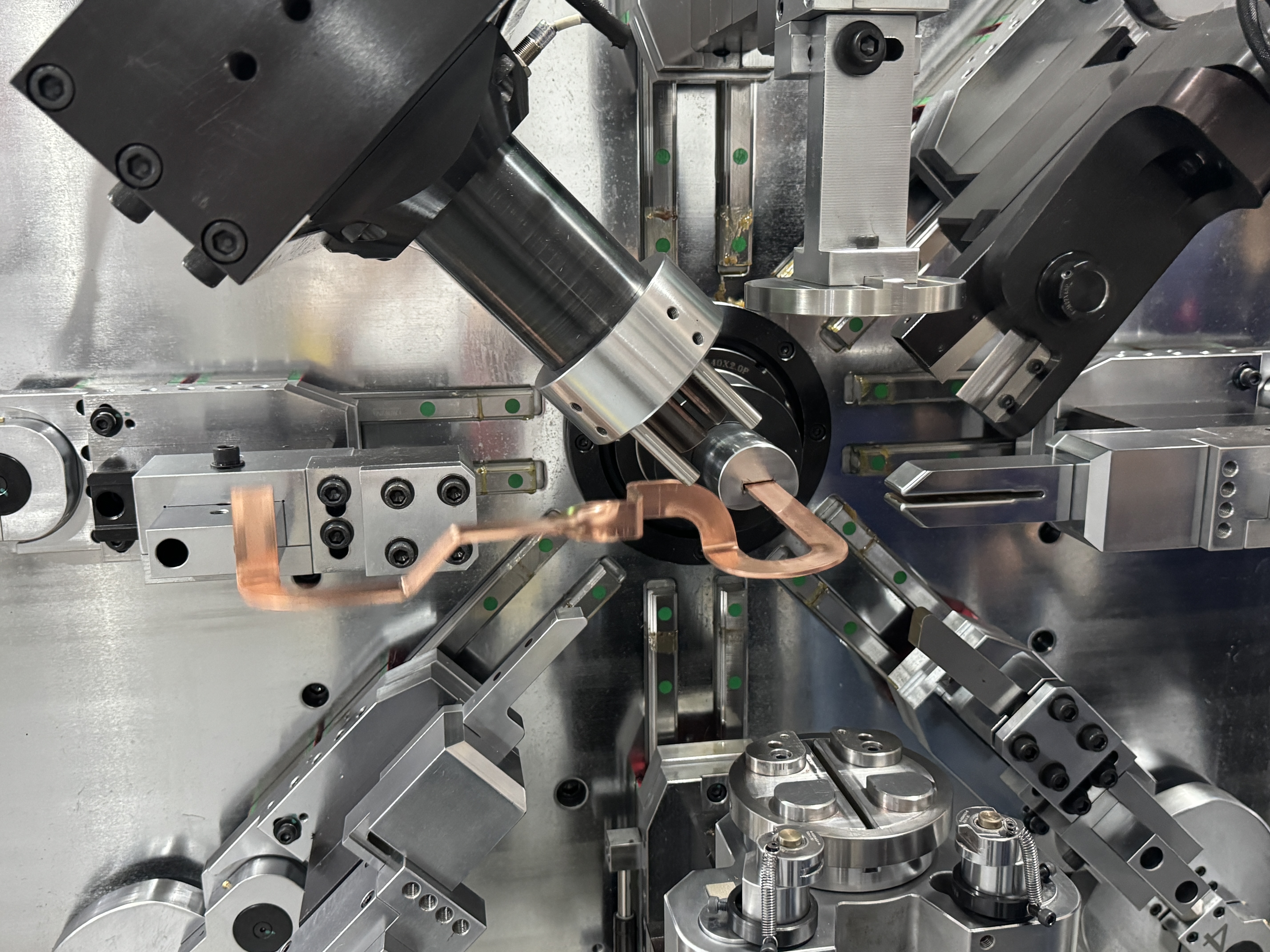
My rule: the first-article sheet carries two signatures, one for the coil batch and one for the drawing revision. After that, a new coil or a revised drawing means re-confirmation, which is the buyer's duty. But a bending machine manufacturer should ask one question when a new coil arrives: does the first article need a re-run? That question saves more than a page of warranty text.
Line Three: People, and Where Training Ends
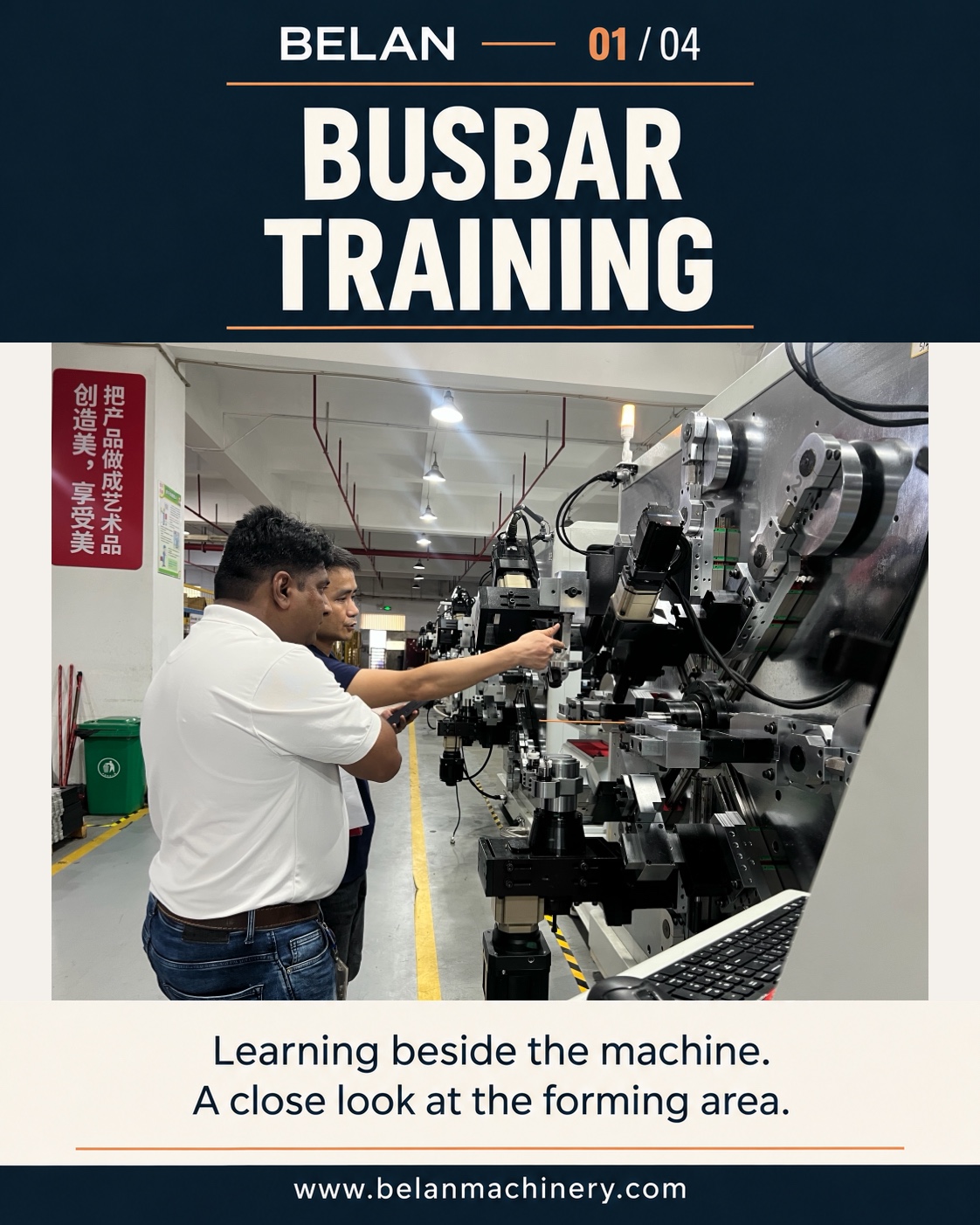
Training is where most arguments start, because the buyer hears "they will be able to run it" and the supplier hears "we covered it". The difference is deliverables. I would split an operator training program into three stages:
- Start-up: power up, home the axes, run an empty cycle, reset an alarm unaided.
- Programming and changeover: edit the program from a drawing, change die and jaws, produce a first article that passes.
- Maintenance and alarms: run the daily and weekly sheet, know where to look first.
At the end of each stage the operator runs it alone and signs. Headcount and days are set case by case for each machine and each team; what matters is that the scope is written into the agreement, not a chat message.
Line Four: Wear Parts and the Repair Path
The parts that fail first are predictable: jaws, die edges, feed track, proximity switches, air fittings. None should be ordered after they break. At handover the buyer holds a list with spec or part number, quantity per machine, and suggested stock.
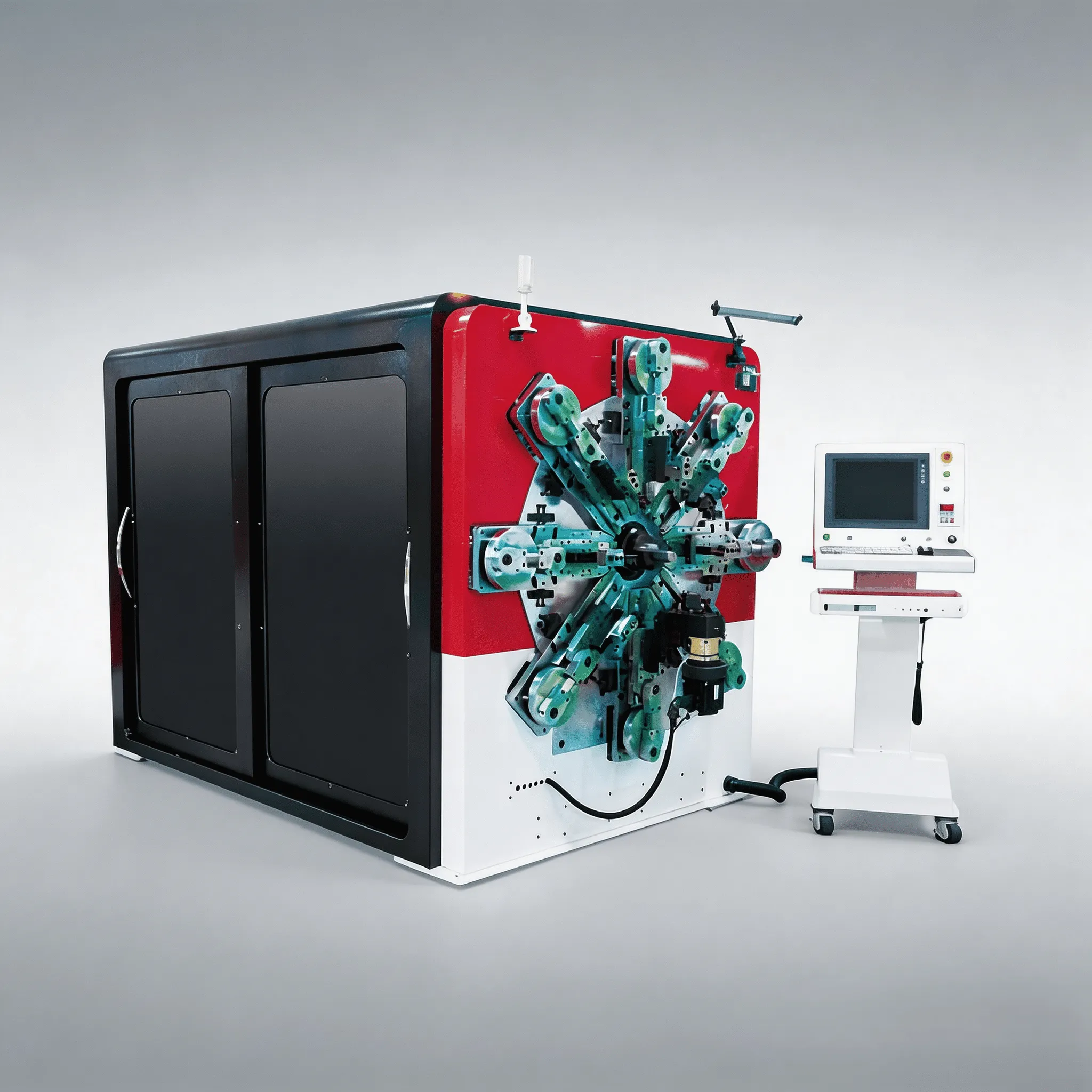
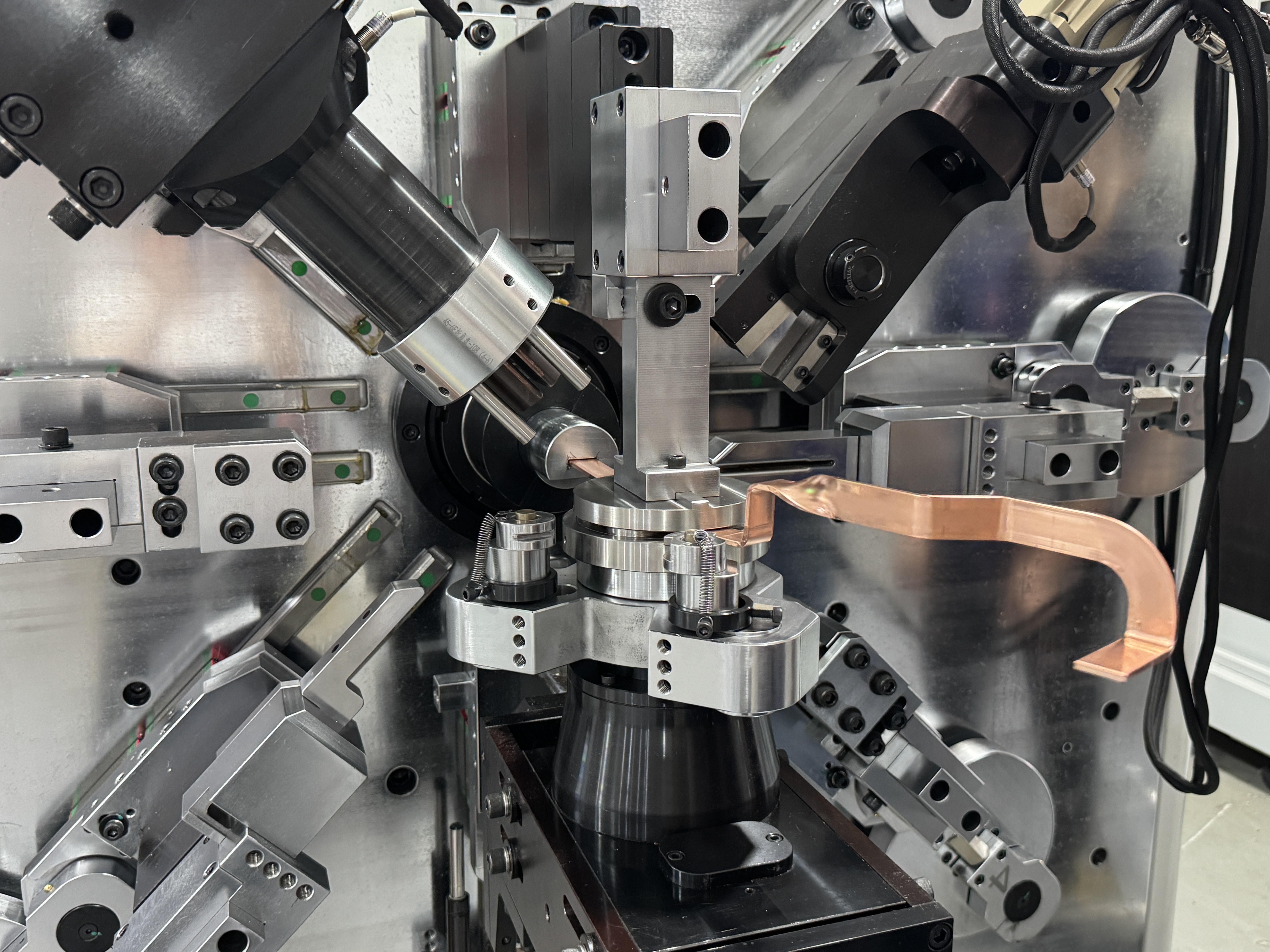
The real question with machine spare parts supply is not whether a part exists, but how fast it arrives and whether the number is right. On a copper and aluminium model such as the BL-TP-45-6EL, jaws and dies are matched to bar width and thickness; one digit off and the R corner will not form cleanly.
Fix the repair path in advance: remote first, with video, alarm code and parameter backup, then a site visit if the fault is physical. Whether remote support sits inside the warranty belongs in the agreement. Our own practice is written up in this article.
Three Lines Worth Putting in the Agreement
- Warranty start: the date both sides sign the site acceptance record, not the shipping date.
- Documents in the crate: electrical drawings, program backup, parameter table, wear parts list.
- Fault handling order: remote first; the bending machine manufacturer responds to a fault report within one hour, and the machine carries a one-year warranty from the acceptance date. Cost boundaries for a site visit are stated in the agreement.
None of the three solves a technical problem. They keep the conversation on facts.
Questions Buyers Actually Ask
Does the warranty start at shipment or at acceptance?
We count the warranty from the date both sides sign the site acceptance record, and the machine is covered for one year from that date. Sea freight and customs do not eat into it.
How many people, how many days, and is training free?
It depends on the machine model and your team's situation; we confirm headcount and days for each order before shipment. Also ask where the training happens and who covers travel and lodging.
Do wear parts have to come from the original supplier?
For jaws and dies, yes, because fit and heat treatment are set together. Generic electrical items can be bought locally if the part number matches.
Send Us Your Handover List
If you are negotiating a busbar or wire bending machine, send the handover list and the draft technical agreement. I will walk them against the four lines and mark which items are missing and which are written but unenforceable. Get the bending machine manufacturer's duty written down first; the goodwill conversation can wait.
Related Resources
BELAN Machinery, your expert provider of automotive wire forming solutions.