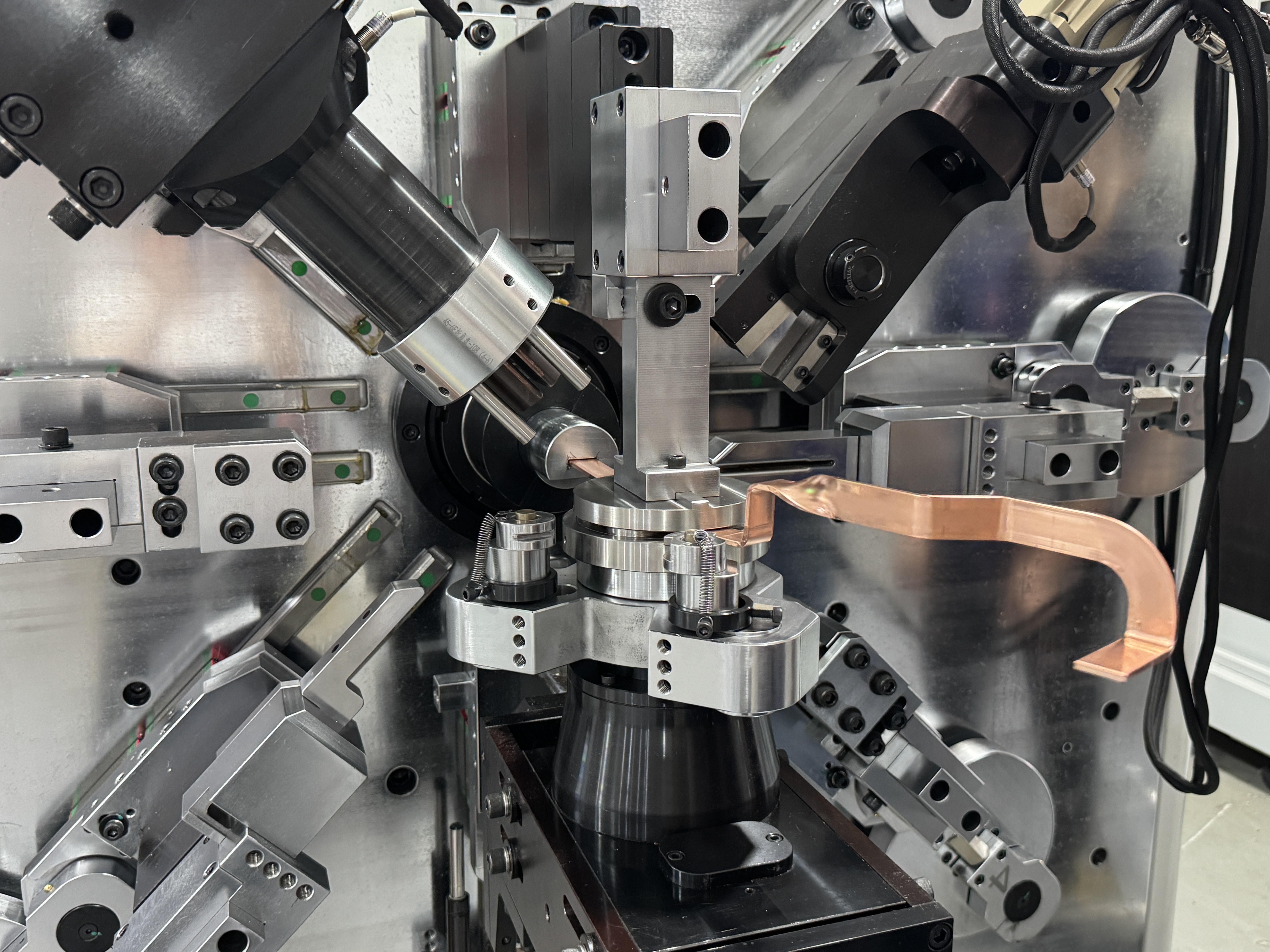

The contract was signed, the deposit was in, and the shipping date was already on the calendar. The real gate came afterward: the customer flew in from Korea, brought drawings and bare copper samples, and stayed three full days. Three products, twenty parts each, every piece approved. Those three days were not a formality — they were the moment a busbar bending machine has to prove, in front of the buyer, that the spec sheet was telling the truth.
Buyers spend a lot of energy comparing quotes and parameter tables. What gets underestimated is the acceptance visit. Parameters can be written beautifully. Samples can be cherry-picked. But put the customer's material, the customer's drawings, the machine and the people in one workshop and run them for three consecutive days, and nothing hides.
Three Days, Split the Right Way
A factory acceptance test (FAT) and an on-site customer acceptance are different things. FAT proves the machine was right when it left the factory. A customer visit proves this machine, with this material and these drawings, can hold production. The three days usually split like this:
| Day | Focus | Purpose |
|---|---|---|
| 1 | Installation, leveling, dry run, feeding and straightening checks | Surface machine condition issues immediately, fix them the same day |
| 2 | First articles checked dimension by dimension | Bend angles, hole positions, cut ends, one drawing line at a time |
| 3 | Continuous run for the sample approval | Parameters locked; the machine now has to hold on its own |
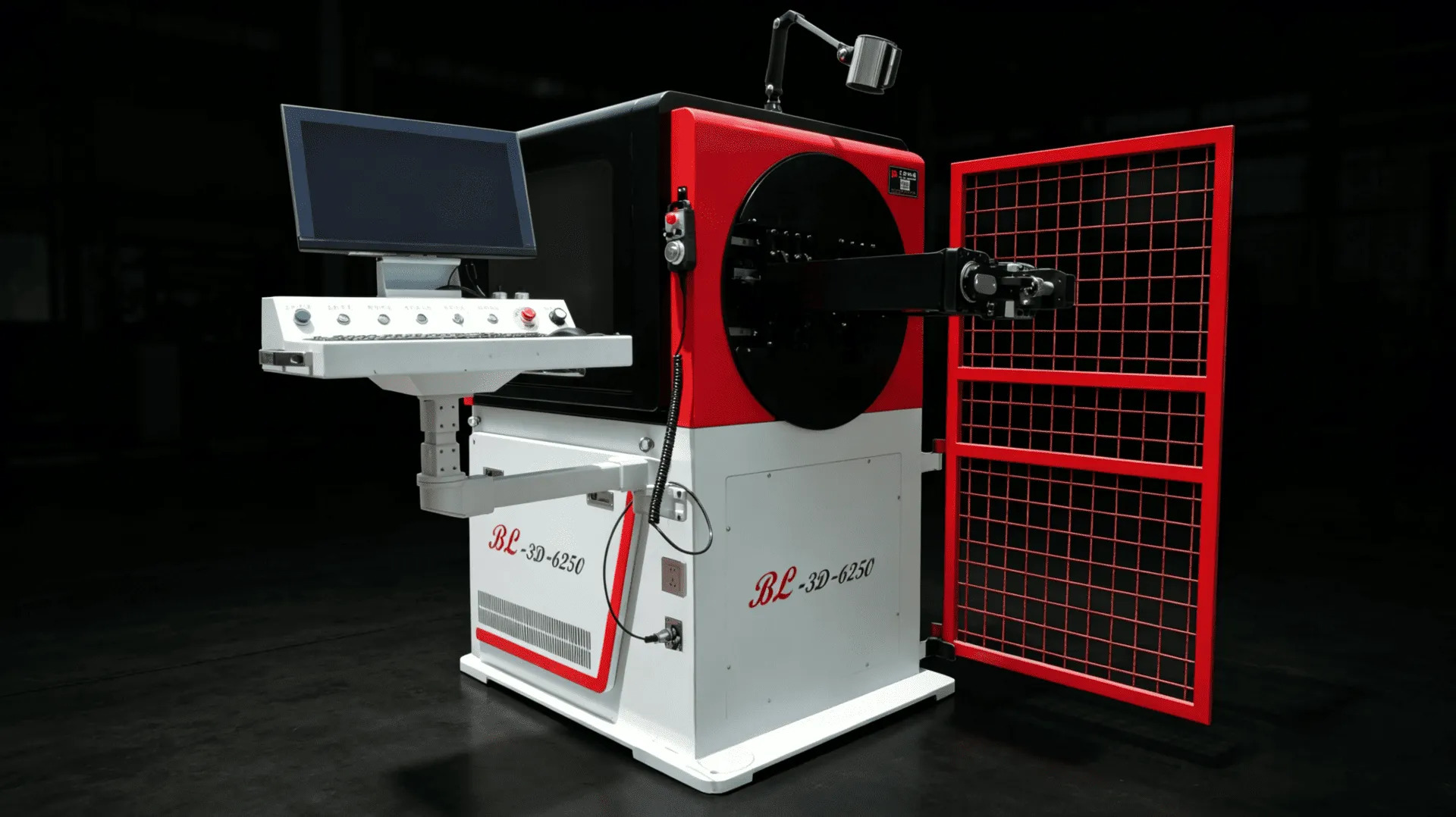
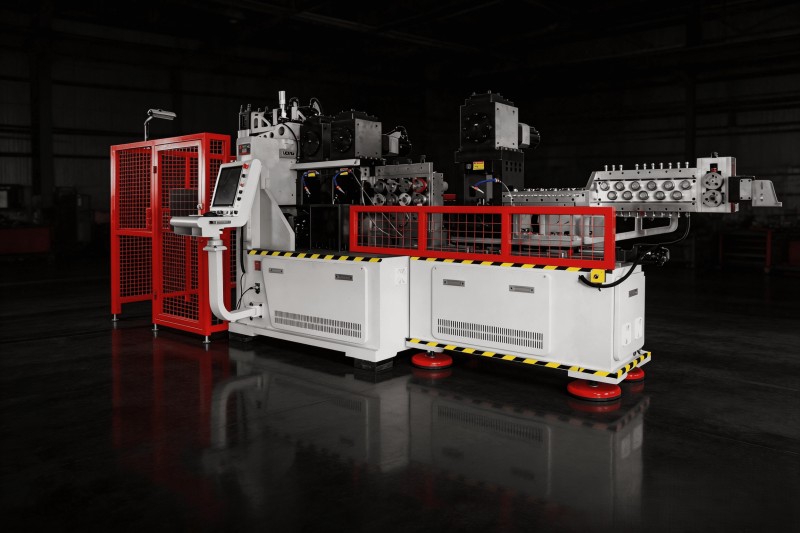
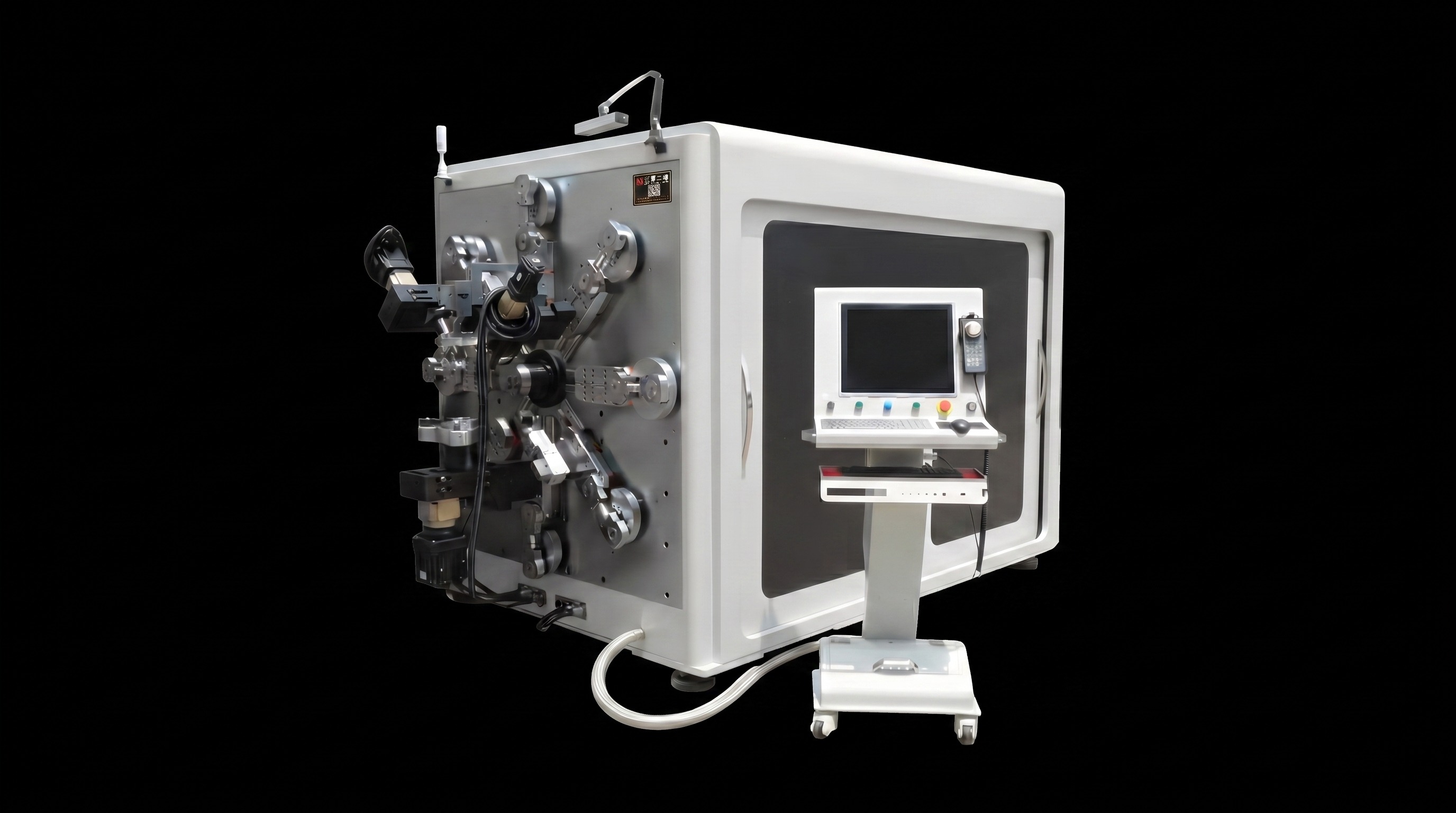
The exact order adapts to the parts and the site, and both sides confirm it together on day one. The frame, however, does not change: machine first, first article second, batch last. The machine on this visit was the BL-45-6E, a 16-axis segmented busbar bending machine. The segmented design matters here: each bend station holds its own reference, which is why commissioning converges fast enough that day-two checking does not spill into day three.
Why Three Products, Twenty Parts Each
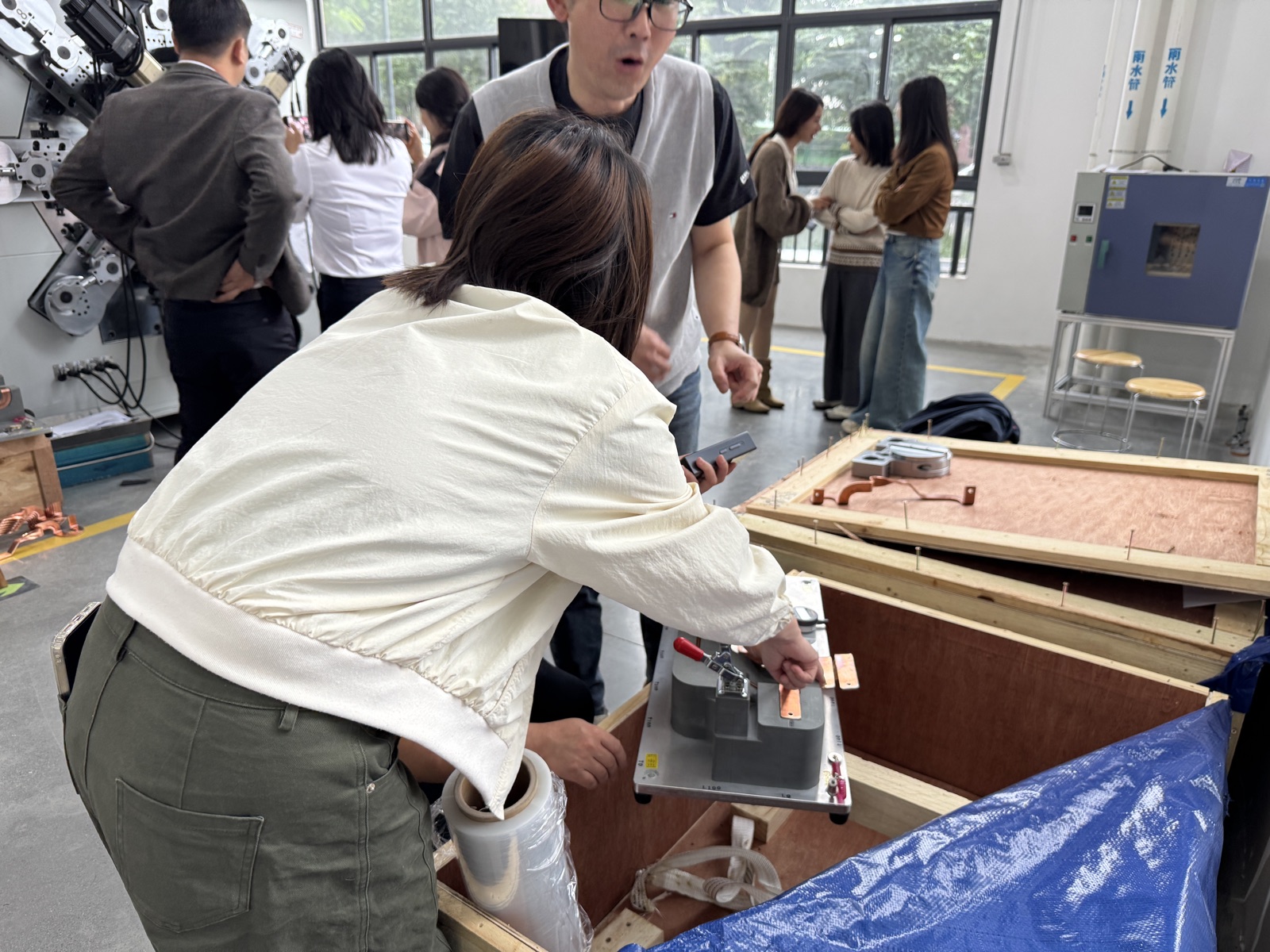
One first article proves the machine can be tuned. It does not prove it stays tuned. Twenty parts is the smallest batch we recommend for a meaningful check — the smallest batch that turns a sample run approval into real production evidence — and the logic is practical:
| Segment | What it reveals |
|---|---|
| First 5 | Whether tuning converges: how many micro-adjustments, whether each part moves toward the drawing |
| Middle 10 | Continuous consistency: same settings, do angles and hole positions drift? |
| Last 5 | Drift and springback toward the end of the coil |
Running twenty parts on three different products adds one more layer: whether compensation and references transfer between cross-sections and bend combinations. If all three pass, the customer can change products back home without re-learning the machine.
Bare Copper Is the Toughest Exam
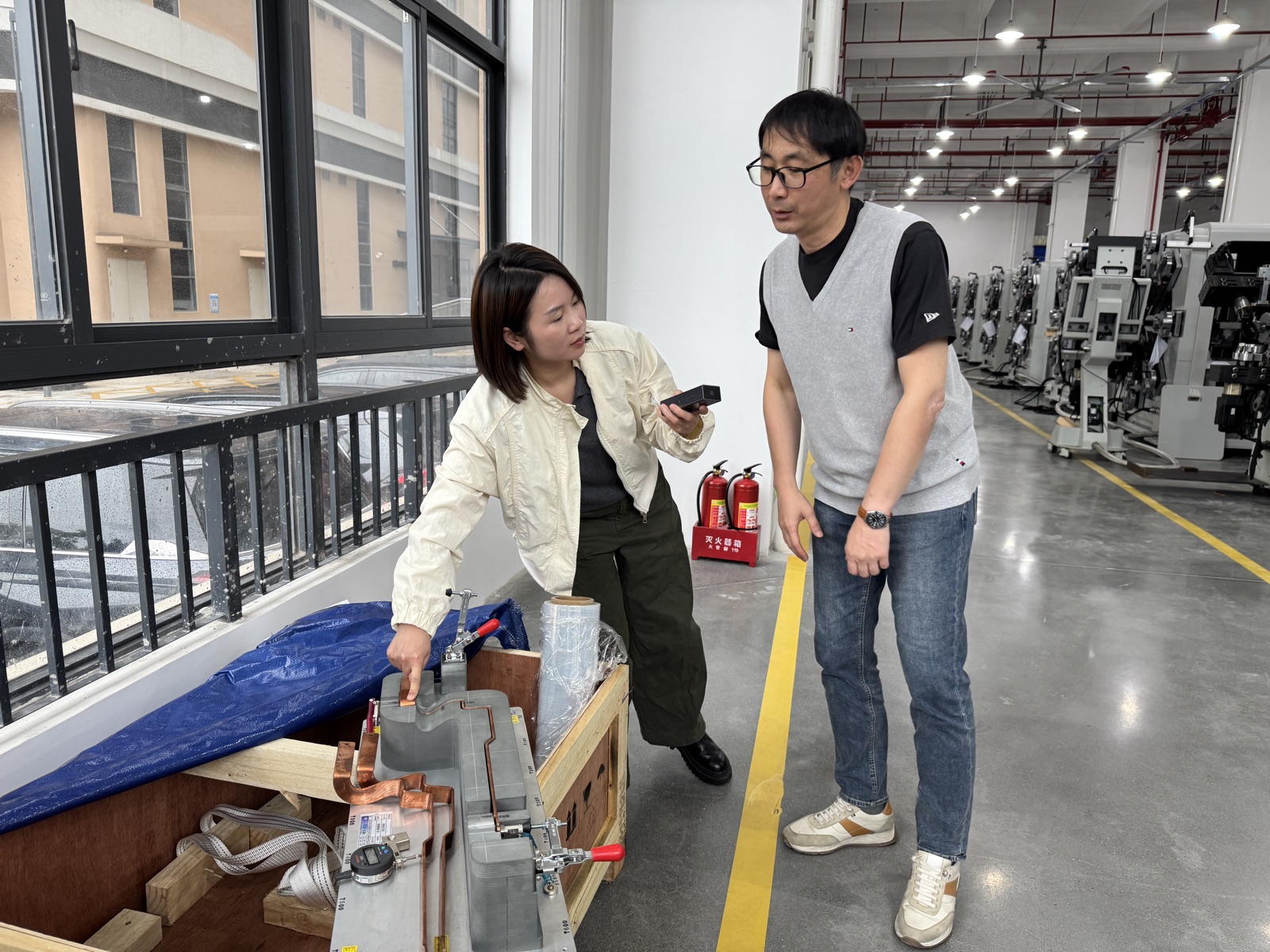
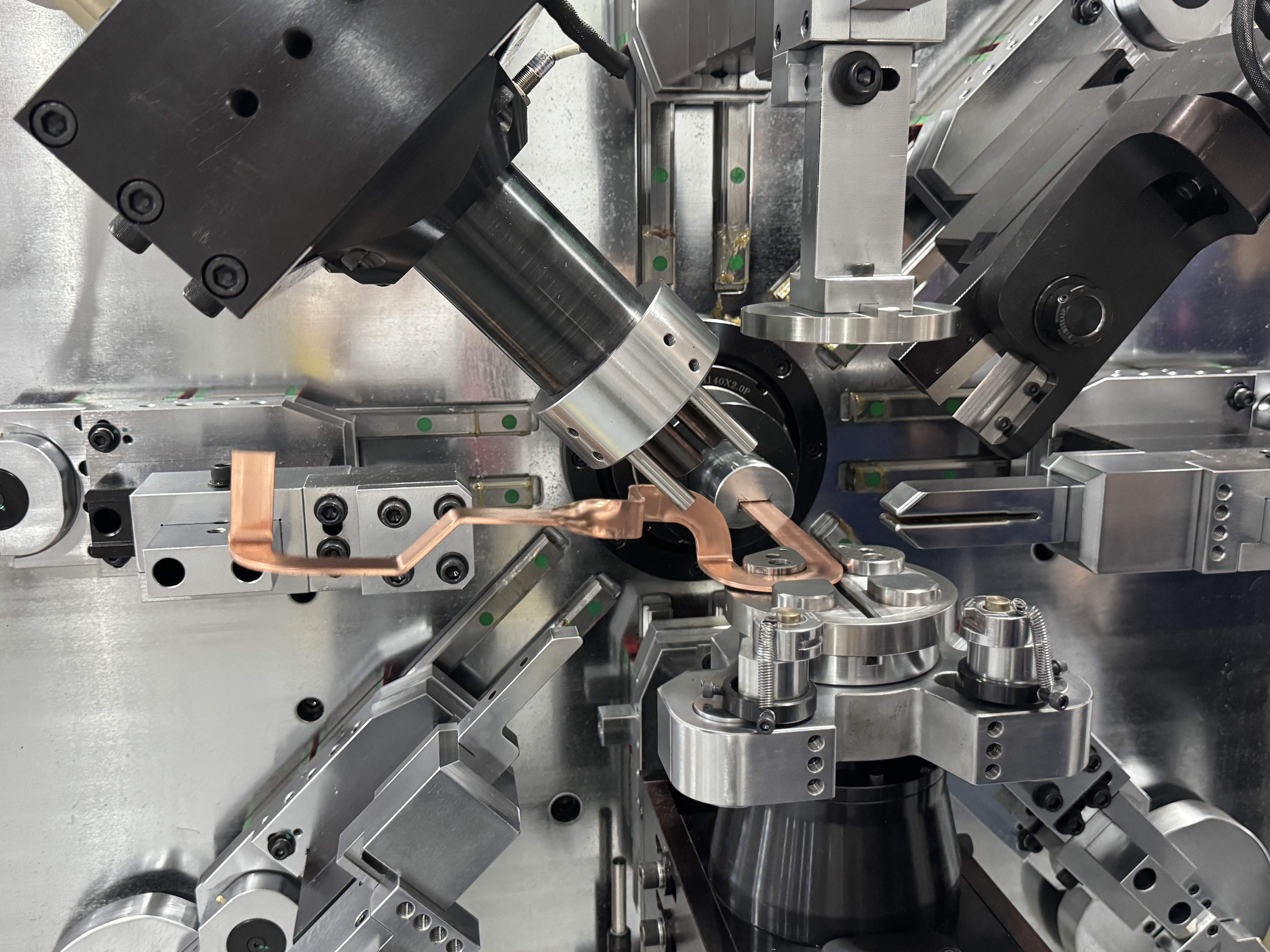
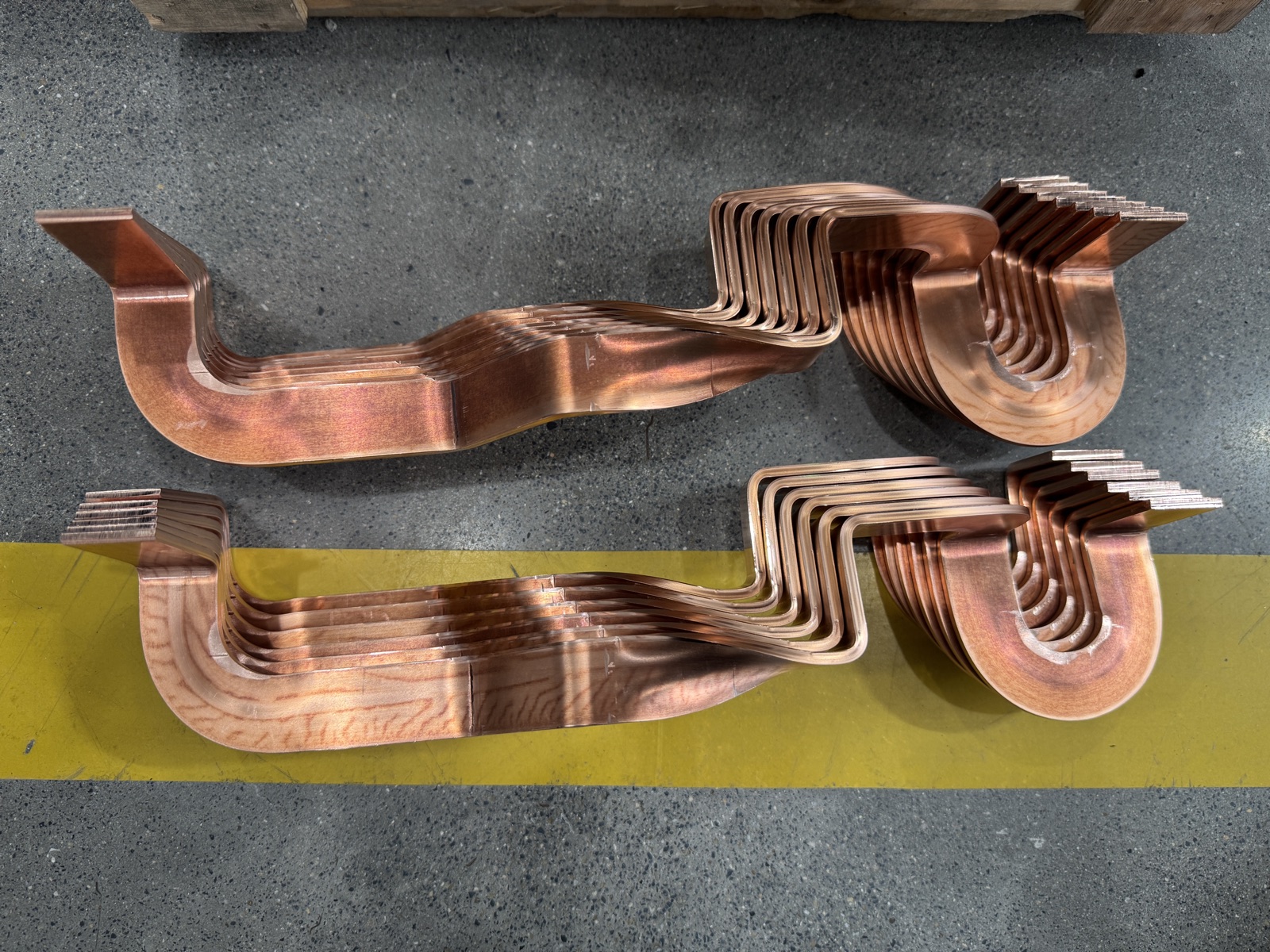
This sample run used bare copper busbar. Bare material leaves nowhere to hide: press marks, scratches, cracks on the outside of bends, inconsistent radii — all visible, no coating to cover them. The cracking issues that show up on a busbar bending machine reveal themselves on day one with bare stock, instead of surfacing after the customer starts volume production. Accepting on coated busbar is easier; the risk just travels home with the machine.
What Sign-Off Covers — and What It Does Not
Passing the sample run certifies one combination: this busbar bending machine, this material batch, these three drawings. It is not an open-ended warranty. New material lots and new drawings still deserve a first-article check, the same discipline that decides where bending sits in a production line. Spare parts, training and document ownership belong in the contract and technical agreement — written, not promised across the workshop floor.
Frequently Asked Questions
Why not just finish acceptance at your factory?
We run a full FAT on every machine (we documented one in Inside a Busbar Bending Machine Factory Acceptance Test). But FAT uses our material and our drawings. Only the customer’s material and drawings test the combination the customer will actually face.
What happens if one of the twenty parts fails?
Common practice: adjust, then re-run that product’s twenty parts; passed pieces do not carry over. The exact criteria follow the contract and technical agreement.
What should the customer bring?
Three things: approved drawings, enough material, and the customer’s own gauges and the person who will own the decision — ideally the same person who runs the line back home.
How soon does the machine ship after sign-off?
That follows the contract and technical agreement. We do not quote shipping days across the workshop floor.
Send Us Your Busbar Drawings and Samples
If you are evaluating a busbar bending machine, skip the parameter-table debate and send us your drawings and material specification. We will lay out a trial-bending plan per part: what passes as-is, what needs tuning, on the table before you travel. On acceptance day, all you need to bring is the person who makes the call.
Related Resources
BELAN Machinery, your expert provider of automotive wire forming solutions.